Translate AMICOR contents if you like

Sunday, May 05, 2013

2600 - AMICOR 15

This month AMICOR will complete 16 years (at May 17)


Eradicate Poverty?

Aloyzio AchuttiemAMICOR - Há 13 segundos
*Selected by AMICOR Maria Inês Reinert Azambuja *Is It Crazy to Think We Can Eradicate Poverty?By ANNIE LOWREYPublished: April 30, 2013 44 Comments - At a news conference during the spring meetings of the International Monetary Fund and the World Bank in late April, Jim Yong Kim held up a piece of paper with the year “2030” scribbled on it in pen. “This is it,” said Kim, the genial American physician who took over as president of the World Bank last summer. “This is the global target to end poverty.” Enlarge This Image Illustration by Jasper Rietman It sounds like the sort of... mais »

Advice on Writing

Aloyzio AchuttiemAMICOR - Há 26 minutos
Timeless Advice on Writing from Famous AuthorsCreated by brainpicker on Jun 18 2012 Words of wisdom from history's greatest

Memory Implants
Aloyzio AchuttiemAMICOR - Há 2 dias
Memory implants http://www.technologyreview.com/featuredstory/513681/memory-implants/ A maverick neuroscientist believes he has deciphered the code by which the brain forms long-term memories May 1, 2013 [image: electrode_array] Electrode array for monitoring and duplicating hippocampus neuron activity (credit: T. Berger et al./*Journal of Neural Engineering*) Teodore Berger, a biomedical engineer and neuroscientist at the University of Southern California in Los Angeles, envisions a day in the not too distant future when a patient with severe memory loss can get help from an electro... mais »

On Global Networks

Aloyzio AchuttiemAMICOR - Há 2 dias
Global networks must be redesignedMay 2, 2013 Risks Interconnection Map 2011 illustrating systemic interdependencies in the hyper-connected world we are living in (credit: World Economic Forum) Our global networks have generated many benefits and new opportunities. However, they have also established highways for failure propagation, which can ultimately result in man-made disasters. For example, today’s quick spreading of emerging epidemics is largely a result of global air traffic, with serious impacts on global health, social welfare, and economic systems. In a *Nature* paper on gl... mais »

Tropical infections detection

Aloyzio AchuttiemAMICOR - Há 2 dias
*Lab-on-chip detects multiple tropical infectious diseases* May 2, 2013 [image: Inserting natural samples directly into the VereTropTM chip, allowing fast and accurate identification of various tropical diseases that share the same fever symptoms (credit: A*STAR)]VereTrop, the first biochip that can identify 13 different major tropical diseases from a single blood sample, has been launched by the Agency for Science, Technology and Research (A*STAR) and Veredus Laboratories. “Tropical diseases often reflect common symptoms like fever, and may not be accurately diagnosed early by docto... mais »

Aging slow down in mice
Aloyzio AchuttiemAMICOR - Há 2 dias
Scientists discover how to slow down aging in mice and increase longevity Blocking a specific protein complex in the hypothalamus and injecting a hormone slow aging and cognitive decline May 3, 2013 “Aging is a life event that is programmed by the hypothalamus,” say scientists (credit: iStockphoto) Scientists at Albert Einstein College of Medicine of Yeshiva University have found that the hypothalamus of mice controls aging throughout the body. Their discovery of a specific age-related signaling pathway opens up new strategies for combating diseases of old age and extending lifespan. *B... mais »

Glicemia
Aloyzio AchuttiemAMICOR - Há 2 dias
Carbon nanotube sensor detects glucose in saliva May 3, 2013 [image: glucose_binding_nanotube] Painful finger-prick blood tests for diabetics could become a thing of the past, say physicists who have built a sensor that measures glucose in saliva. Mitchell Lerner at the University of Pennsylvania and associates have developed just such a device, MIT Technology Review reports. Their glucose sensor is essentially a carbon nanotube-based transistor in which the … more…

DSM-S
Aloyzio AchuttiemAMICOR - Há 2 dias
National Institute of Mental Health abandoning the DSM In a potentially seismic move, the National Institute of Mental Health – the world’s biggest mental health research funder, has announced only two weeks before the launch of the DSM-5diagnostic manual that it will be “re-orienting its research away from DSM categories”. In the announcement, NIMH Director Thomas Insel says the DSM lacks validity and that “patients with mental disorders deserve better”. This is something that will make very uncomfortable reading for the American Psychiatric Association as they trumpet what they clai... mais »

Lipsticks...

Aloyzio AchuttiemAMICOR - Há 2 dias
*Lipstick lowdown* ** Here's some news you may want to consider before applying your favorite lipstick next time. That product that makes you feel more beautiful may contain some elements that aren't so pretty. Researchers at the University of California Berkley tested 8 lipsticks and 24 lip glosses commonly sold in drug stores and department stores. Prices varied, and specific brands were not identified. Their analysis detected lead, cadmium, chromium, aluminum and five other metals. The team then estimated health risks based on the concentration of the metals in each product, a con... mais »

DNA at 60

Aloyzio AchuttiemAMICOR - Há 3 dias
DNA at 60: Still Much to Learn On the diamond jubilee of the double helix, we should admit that we don't fully understand how evolution works at the molecular level By Philip Ball and Nature magazine 17 inShare Share on Tumblr [image: DNA] **Image: Wikimedia Commons/Yikrazuul This week's diamond jubilee of the discovery of DNA's molecular structure rightly celebrates how Francis Crick, James Watson and their collaborators launched the 'genomic age' by revealing how hereditary information is encoded in the double helix. Yet the conventional narrative — in which their 195...mais »

Dia do Trabalhador

Aloyzio AchuttiemAMICOR - Há 3 dias
[image: Dia do Trabalho] *Dia do trabalho ou do trabalhador?*

Azithromycin and CVD

Aloyzio AchuttiemAMICOR - Há 3 dias
Cardiovascular Risks with Azithromycin and Other Antibacterial Drugs Andrew D. Mosholder, M.D., M.P.H., Justin Mathew, Pharm.D., John J. Alexander, M.D., M.P.H., Harry Smith, Ph.D., and Sumathi Nambiar, M.D., M.P.H. N Engl J Med 2013; 368:1665-1668May 2, 2013DOI: 10.1056/NEJMp1302726 ArticleReferences In 2011, approximately 40.3 million people in the United States (roughly one eighth of the population) received an outpatient prescription for the macrolide azithromycin, according to IMS Health. During that year, we at the Food and Drug Administration (FDA) reviewed the labels of azith... mais »

longevity studies

Aloyzio AchuttiemAMICOR - Há 3 dias
L4 annotations Hide 1 2 3 4 FUTURISM GEORGE DVORSKYYesterday 1:15pmg 15,913L 50 Do these startling longevity studies mean your lifespan could double? Biologists have successfully extended the life spans of some mice by as much as 70%, leading many to believe that ongoing experimentation on our mammalian cousins will eventually lead to life-extending therapies in humans. But how reliable are these studies? And do they really apply to humans? We asked the experts. Before we get into the scientific evidence, it’s important that we do a bit of reality check. Animal models, and mouse model... mais »

WCC Melbourne, 2014

Aloyzio AchuttiemAMICOR - Há 3 dias
Having trouble reading this email? Access the online version on: http://www.worldheart.org/fileadmin/user_upload/Congress/WCC2014/newsletter.htm [image: Congress Banner]WCC SCIENTIFIC SESSIONS 2014 NEWS / May 2013Join us in Melbourne for the World Congress of Cardiology 2014 The World Heart Federation looks forward to welcoming you to Melbourne, Australia for the next World Congress of Cardiology 2014, co-hosted by the Cardiac Society of Australia and New Zealand and the National Heart Foundation of Australia. Join us in Melbourne for WCC 2014: - *Global platform* for cardiovascular ... mais »

WWW

Aloyzio AchuttiemAMICOR - Há 4 dias
L0 annotations Hide Twenty Years Ago Today the World Wide Web Went Public Twenty years ago today, something happened that changed the digital world forever: CERN published a statement that made the technology behind the World Wide Web available to use, by anybody, on a royalty free basis. That decision, pushed forward by Sir Tim Berners-Lee, transformed the internet, making it a place where we can all freely share anything and everything—from social media updates, through streamed music, to YouTube videos of cats. It has fundamentally shaped the way we communicate. To celebrate th... mais »

Donepezil Alzheimer

Aloyzio AchuttiemAMICOR - Há 4 dias
Cessation of donepezil is associated with clinical decline in patients with moderate-to-severe Alzheimer's disease compared to continuation of donepezil or addition or substitution of memantine 1. Pierre N Tariot 1. Banner Alzheimer's Institute, Phoenix, Arizona, USA 1. Correspondence to: *Pierre N Tariot* Banner Alzheimer's Institute, 901 E Willetta ST, Phoenix, Arizona 85006, USA;Pierre.tariot{at}bannerhealth.com Commentary on:Donepezil and memantine for moderate-to-severe Alzheimer's disease[CrossRef][Medline][Web of Science] Context More than half of persons wi... mais »

A Ultima maravilha da Ciência!

Aloyzio AchuttiemAMICOR - Há 5 dias
*Recomendado por minha amiga CONCEIÇÃO ANDRADE, esposa do JOHN BRISCOE que vivem nos EEUU.* eu fui ao Atacama desert com meu grupo de astronomia de Brasilia, (but not to this telescope site, we went to another telescope site). foi magico! * A Ultima maravilha da Ciência!***** Inaugurada no dia 13 deste mês, a última maravilha da ciência, na incessante procura das nossas origens. - Fabuloso! http://dotsub.com/view/08a2457e-7d67-4fa0-9715-5e5d86d037cb#.UUUEvtF3l7Y **

Grid cells

Aloyzio AchuttiemAMICOR - Há 5 dias
*Sellected by the AMICOR Maria Inês Reinet Azambuja* SCIENCE PROFILES IN SCIENCE A Sense of Where You Are [image: May-Britt Moser with Thelma, one of the lab rats used in the research she and her husband, Edvard I. Moser, are conducting.] Brian Cliff Olguin for The New York Times May-Britt Moser with Thelma, one of the lab rats used in the research she and her husband, Edvard I. Moser, are conducting. 3 more images By JAMES GORMAN Published: April 30, 2013 TRONDHEIM, Norway - In 1988, two determined psychology students sat in the office of an internationally renowned neuroscientist in Os... mais »

Risco e Morbidade da Atividade Sexual

Aloyzio AchuttiemAMICOR - Há 5 dias
*Materia selecionada pelo AMICOR Dr. Jorge Gomes, especialista em Saúde Ocupcional e colega de turma (1960) da Dra. Valderês Robinson, minha esposa. * El Observatorio de Salud y Seguridad Ocupacional. Río Cuarto Pcia. de Córdoba observatoriodesaludyseguridad@arnet.com *MEDICINA DEL TRABAJO CARDIOLÓGICA* XXXXXXXXXXXXXXXXXXXXXX *Las personas que fallecen durante el acto sexual suelen estar acompañadas por una pareja distinta de la habitual* JANO · 25 Abril 2013 Expertos subrayan que la prueba de esfuerzo que se realiza al enfermo cardiaco tras sufrir un infarto es un buen método para... mais »

Physician Impairment

Aloyzio AchuttiemAMICOR - Há 5 dias
Identification of Physician Impairment FREEONLINE FIRST Julius Cuong Pham, MD, PhD; Peter J. Pronovost, MD, PhD; Gregory E. Skipper, MD [+] Author Affiliations *JAMA. *2013;():1-2. doi:10.1001/jama.2013.4635. Text Size: A A A Published online April 29, 2013 Article References When a critical event occurs in most high-risk industries (such as airlines, nuclear power, or railways), a detailed investigation examines a variety of system and individual factors (such as fatigue and substance abuse), that caused or contributed to the event. Directly involved individuals are commonly tested f... mais »

Eradicate Poverty?


Selected by AMICOR Maria Inês Reinert Azambuja 

Is It Crazy to Think We Can Eradicate Poverty?


At a news conference during the spring meetings of the International Monetary Fund and the World Bank in late April, Jim Yong Kim held up a piece of paper with the year “2030” scribbled on it in pen. “This is it,” said Kim, the genial American physician who took over as president of the World Bank last summer. “This is the global target to end poverty.”
Illustration by Jasper Rietman
It sounds like the sort of airy, ambitious goal that is greeted by standing ovations but is ultimately unlikely to ever materialize. Development experts don’t see it that way, though. The end of extreme poverty might very well be within reach. “It’s not by any means pie-in-the-sky,” says Scott Morris, who formerly managed the Obama administration’s relations with development institutions. When I asked Jeffrey Sachs, the development economist, if the target seemed feasible, he said, “I absolutely believe so.” And Nancy Birdsall, president of the Center for Global Development, the powerful Washington policy group, told me, “In many ways, it’s a very modest goal./.../

Advice on Writing


Timeless Advice on Writing 

from Famous Authors

Created by brainpicker on 

Words of wisdom from history's greatest 

Friday, May 03, 2013

Memory Implants


Memory implants


A maverick neuroscientist believes he has deciphered the code by which the brain forms long-term memories
May 1, 2013
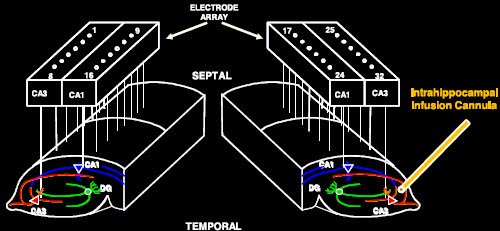
electrode_array
Electrode array for monitoring and duplicating hippocampus neuron activity (credit: T. Berger et al./Journal of Neural Engineering)
Teodore Berger, a biomedical engineer and neuroscientist at the University of Southern California in Los Angeles, envisions a day in the not too distant future when a patient with severe memory loss can get help from an electronic implant, MIT Technology Review reports./.../

On Global Networks


Global networks must be redesigned

May 2, 2013
Risks Interconnection Map 2011 illustrating systemic interdependencies in the hyper-connected world we are living in (credit: World Economic Forum)
Our global networks have generated many benefits and new opportunities. However, they have also established highways for failure propagation, which can ultimately result in man-made disasters. For example, today’s quick spreading of emerging epidemics is largely a result of global air traffic, with serious impacts on global health, social welfare, and economic systems.
In a Nature paper on globally networked risks, ETH Zürich Prof. Dr. Dirk Helbing, Chair of Sociology, illustrates how cascade effects and complex dynamics amplify the vulnerability of networked systems. For example, just a few long-distance connections can largely decrease our ability to mitigate the threats posed by global pandemics.
Initially beneficial trends, such as globalization, increasing network densities, higher complexity, and an acceleration of institutional decision processes may ultimately push man-made or human-influenced systems towards systemic instability, Helbing finds. Systemic instability refers to a system that will get out of control sooner or later, even if everybody involved is well skilled, highly motivated and behaving properly. Crowd disasters are shocking examples illustrating that many deaths may occur even when everybody tries hard not to hurt anyone./.../

Tropical infections detection

Lab-on-chip detects multiple tropical infectious diseases
May 2, 2013

Inserting natural samples directly into the VereTropTM chip, allowing fast and accurate identification of various tropical diseases that share the same fever symptoms (credit: A*STAR)VereTrop, the first biochip that can identify 13 different major tropical diseases from a single blood sample, has been launched by the Agency for Science, Technology and Research (A*STAR) and Veredus Laboratories. “Tropical diseases often reflect common symptoms like fever, and may not be accurately diagnosed early by doctors. This portable test kit is a rapid … more…

Aging slow down in mice


Scientists discover how to slow down aging in mice and increase longevity

Blocking a specific protein complex in the hypothalamus and injecting a hormone slow aging and cognitive decline
May 3, 2013
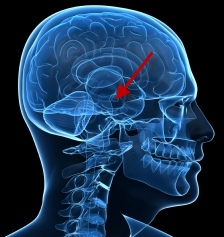
“Aging is a life event that is programmed
by the hypothalamus,” say scientists (credit: iStockphoto)
Scientists at Albert Einstein College of Medicine of Yeshiva University have found that the hypothalamus of mice controls aging throughout the body.
Their discovery of a specific age-related signaling pathway opens up new strategies for combating diseases of old age and extending lifespan.
Background: the hypothalmus and inflammation
“Scientists have long wondered whether aging occurs independently in the body’s various tissues or if it could be actively regulated by an organ in the body,” said senior author Dongsheng Cai, M.D., Ph.D., professor of molecular pharmacology at Einstein.
“It’s clear from our study that many aspects of aging are controlled by the hypothalamus. What’s exciting is that it’s possible — at least in mice — to alter signaling within the hypothalamus to slow down the aging process and increase longevity.”/.../

Hypothalamic programming of systemic ageing involving IKK-β, NF-κB and GnRH

Nature
 
 
doi:10.1038/nature12143
Received
 
Accepted
 
Published online
 
Ageing is a result of gradual and overall functional deteriorations across the body; however, it is unknown whether an individual tissue primarily works to mediate the ageing progress and control lifespan. Here we show that the hypothalamus is important for the development of whole-body ageing in mice, and that the underlying basis involves hypothalamic immunity mediated by IκB kinase-β (IKK-β), nuclear factor κB (NF-κB) and related microglia–neuron immune crosstalk. Several interventional models were developed showing that ageing retardation and lifespan extension are achieved in mice by preventing ageing-related hypothalamic or brain IKK-β and NF-κB activation. Mechanistic studies further revealed that IKK-β and NF-κB inhibit gonadotropin-releasing hormone(GnRH) to mediate ageing-related hypothalamic GnRH decline, and GnRH treatment amends ageing-impaired neurogenesis and decelerates ageing. In conclusion, the hypothalamus has a programmatic role in ageing development via immune–neuroendocrine integration, and immune inhibition or GnRH restoration in the hypothalamus/brain represent two potential strategies for optimizing lifespan and combating ageing-related health problems.


Glicemia

Carbon nanotube sensor detects glucose in saliva
May 3, 2013

glucose_binding_nanotube Painful finger-prick blood tests for diabetics could become a thing of the past, say physicists who have built a sensor that measures glucose in saliva. Mitchell Lerner at the University of Pennsylvania and associates have developed just such a device, MIT Technology Review reports. Their glucose sensor is essentially a carbon nanotube-based transistor in which the … more…

DSM-S


National Institute of Mental Health abandoning the DSM

In a potentially seismic move, the National Institute of Mental Health – the world’s biggest mental health research funder, has announced only two weeks before the launch of the DSM-5diagnostic manual that it will be “re-orienting its research away from DSM categories”.
In the announcement, NIMH Director Thomas Insel says the DSM lacks validity and that “patients with mental disorders deserve better”.
This is something that will make very uncomfortable reading for the American Psychiatric Association as they trumpet what they claim is the ‘future of psychiatric diagnosis’ only two weeks before it hits the shelves.
As a result the NIMH will now be preferentially funding research that does not stick to DSM categories:/.../

Thursday, May 02, 2013

Lipsticks...

Lipstick lowdown

Here's some news you may want to consider before applying your favorite lipstick next time.
That product that makes you feel more beautiful may contain some elements that aren't so pretty.
Researchers at the University of California Berkley tested 8 lipsticks and 24 lip glosses commonly
sold in drug stores and department stores. Prices varied, and specific brands were not identified.
Their analysis detected lead, cadmium, chromium, aluminum and five other metals. The team then
estimated health risks based on the concentration of the metals in each product, a consumer's
potential daily intake of those metals, and existing health guidelines.
The results showed that average use of some of the lipsticks and glosses could cause excessive
intake of chromium, a carcinogen that has been linked to stomach tumors.
High use of some of the makeup could lead to overexposure to aluminum, cadmium and manganese.
Lead was also found in the majority of the lip products, but generally at concentrations that are
considered acceptable.
The researchers say, despite these findings, they're not recommending you throw away your lipstick
or lip gloss, but they are calling for more oversight by health regulators.
Metals in cosmetic products are currently not regulated by the FDA.
I'm Dr. Cindy Haines of HealthDay TV with the news doctors are reading health news for healthier living.

Wednesday, May 01, 2013

DNA at 60


DNA at 60: Still Much to Learn

On the diamond jubilee of the double helix, we should admit that we don't fully understand how evolution works at the molecular level

DNA

Image: Wikimedia Commons/Yikrazuul
This week's diamond jubilee of the discovery of DNA's molecular structure rightly celebrates how Francis Crick, James Watson and their collaborators launched the 'genomic age' by revealing how hereditary information is encoded in the double helix. Yet the conventional narrative — in which their 1953 Nature paper led inexorably to the Human Genome Project and the dawn of personalized medicine — is as misleading as the popular narrative of gene function itself, in which the DNA sequence is translated into proteins and ultimately into an organism's observable characteristics, or phenotype./.../

Dia do Trabalhador

Dia do Trabalho
Dia do trabalho ou do trabalhador?

Azithromycin and CVD


Cardiovascular Risks with Azithromycin and Other Antibacterial Drugs

Andrew D. Mosholder, M.D., M.P.H., Justin Mathew, Pharm.D., John J. Alexander, M.D., M.P.H., Harry Smith, Ph.D., and Sumathi Nambiar, M.D., M.P.H.
N Engl J Med 2013; 368:1665-1668May 2, 2013DOI: 10.1056/NEJMp1302726
Article
References
In 2011, approximately 40.3 million people in the United States (roughly one eighth of the population) received an outpatient prescription for the macrolide azithromycin, according to IMS Health. During that year, we at the Food and Drug Administration (FDA) reviewed the labels of azithromycin and other approved macrolide antibacterials in view of cardiovascular risks that had become evident from published studies and reports emerging through postmarketing surveillance. On the basis of its review, the FDA approved revisions to azithromycin product labels regarding risks of QT-interval prolongation and the associated ventricular arrhythmia torsades de pointes. The revised labels advise against using azithromycin in patients with known risk factors such as QT-interval prolongation, hypokalemia, hypomagnesemia, bradycardia, or use of certain antiarrhythmic agents, including class IA (e.g., quinidine and procainamide) and class III (e.g., dofetilide, amiodarone, and sotalol) — drugs that can prolong the QT interval. In March 2013, the FDA announced that azithromycin labels had been further revised to reflect the results of a clinical study showing that azithromycin can prolong the corrected QT interval./.../

longevity studies


L4 annotations
Hide
1
2
3
4

Do these startling longevity studies mean your lifespan could double?

Biologists have successfully extended the life spans of some mice by as much as 70%, leading many to believe that ongoing experimentation on our mammalian cousins will eventually lead to life-extending therapies in humans. But how reliable are these studies? And do they really apply to humans? We asked the experts.
Before we get into the scientific evidence, it’s important that we do a bit of reality check. Animal models, and mouse models in particular, don’t always translate well to the human realm.

Of mice and humans

In 2006, a JAMA study concluded that, "patients and physicians should remain cautious about extrapolating the findings of prominent animal research to the care of human disease," and that "even high-quality animal studies will replicate poorly in human clinical research."/.../

WCC Melbourne, 2014

Having trouble reading this email? Access the online version on:
http://www.worldheart.org/fileadmin/user_upload/Congress/WCC2014/newsletter.htm
Congress Banner

WCC SCIENTIFIC SESSIONS 2014 NEWS / May 2013

Join us in Melbourne for the World Congress of Cardiology 2014

The World Heart Federation looks forward to welcoming you to Melbourne, Australia for the next World Congress of Cardiology 2014, co-hosted by the Cardiac Society of Australia and New Zealand and the
National Heart Foundation of Australia.
Join us in Melbourne for WCC 2014:
  • Global platform for cardiovascular disease specialists and public health professionals to share knowledge and network with their peers
  • World leading experts presenting 150 sessions on cardiology, policy and public health
  • Latest scientific findings featured in over 1,000 new abstracts on prevention, diagnosis and treatment of cardiovascular disease
  • International congress with a spotlight on regional issues highlighting local successes in rheumatic heart disease and tobacco cessation
  • Best-practice sharing across different resource settings with a highlight on how international learning can be adapted to national circumstances
  • Uniting efforts to reduce premature CVD deaths 25% by 2025 through mobilizing the CVD community and working with the WHO

WWW


L0 annotations
Hide


Twenty Years Ago Today the World Wide Web Went Public


Twenty years ago today, something happened that changed the digital world forever: CERN published a statement that made the technology behind the World Wide Web available to use, by anybody, on a royalty free basis.
That decision, pushed forward by Sir Tim Berners-Lee, transformed the internet, making it a place where we can all freely share anything and everything—from social media updates, through streamed music, to YouTube videos of cats. It has fundamentally shaped the way we communicate.
To celebrate the momentous occasion of 20 years ago, CERN—the same guys behind all those experiments at the Large Hadron Collider—has republished its very first website at its original URL. It's not much to look at—but it's a fine reminder of just how much the web has changed in the past twenty years.
In fact, the republishing of that site is part of a broader project to excavate and preserve a whole host of digital gems that remain from the inception of the web. You can go read a lot more about the project over on CERN's site. [CERN]


Mosaic 1.0, running on a System 7.1 MacURL,  HTTP, and HTML — were developed by Tim Berners-Lee at CERN in the early ’90s, but it wasn’t until they were open-sourced that the WWW actually became the web. If CERN had decided otherwise, much of what you consider to be the internet probably wouldn’t exist, including Facebook, Steam, and the humble website that you’re reading right now./.../