Tale of Love and Illness Ends in Deaths
By MATT FLEGENHEIMER
Published: March 30, 2012
His was a love story, Charles D. Snelling wrote — a tale of a shiftless dreamer and the woman who saved him, of the life they built over six decades and the disease that stood no chance of erasing it. By the end, he said, their time together had become a case study in reciprocity.
 “She took care of me in every possible way she could for 55 years,” Mr. Snelling wrote of his wife, Adrienne, months before the two were to celebrate their 61st wedding anniversary. “The last six years have been my turn, and certainly I have had the best of the bargain.”
On Thursday, months after contributing a poignant essay to The New York Times about navigating a six-decade marriage upended by his spouse’s Alzheimer’s disease, Mr. Snelling killed his wife and himself, the Snelling family said in a statement released to The Morning Call of Allentown, Pa.. They were found Thursday in their home in Lehigh County in eastern Pennsylvania, the police said. Mr. Snelling shot himself, the coroner said. The ruling on Ms. Snelling’s death was pending. Both were 81. (Photo: Cedar Crest College, via Associated Press)/../


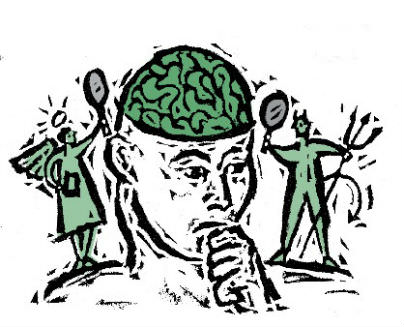 “The brain secretes thought as the liver secretes bile,” asserted 18th century French physiologist Pierre Cabanis. Last week, the Potomac Institute for Policy Studies convened a conference of neuroscientists and philosophers to ponder how our brains secrete thoughts about ethics and morality. The first presenter was neuroeconomist Gregory Berns from Emory University whose work peers into brains to see in which creases of gray matter those values we hold sacred lodge. The study, “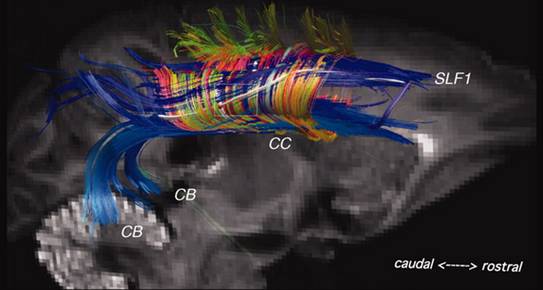


 Exposição de Fotos em Rio Grande.
