
Translate AMICOR contents if you like

Sunday, January 11, 2009

To kill innocents


 Let me say this as clearly as I can: No matter how sharp a grievance or how deep a hurt, there is no justification for killing innocents.

Bill Clinton (1946-)

 Quotation from the day from the http://www.thefreedictionary.com

Somking: Luther L. Terry announced is linked to lung cancer

Today in 1964:U.S. Surgeon General Luther L. Terry announced that cigarette smoking is linked to lung cancer.
smoking (tobacco)
Article from Encyclopedia Britannica

Saturday, January 10, 2009

Friday, January 09, 2009

Appropriateness Criteria for Coronary Revascularization

The American College of Cardiology Foundation (ACCF), Society for Cardiovascular Angiography and Interventions, Society of Thoracic Surgeons, and the American Association for Thoracic Surgery, along with key specialty and subspecialty societies, conducted an appropriateness review of common clinical scenarios in which coronary revascularization is frequently considered. The clinical scenarios were developed to mimic common situations encountered in everyday practice and included information on symptom status, extent of medical therapy, risk level as assessed by noninvasive testing, and coronary anatomy. Approximately 180 clinical scenarios were developed by a writing committee and
scored by a separate technical panel on a scale of 1 to 9. Scores of 7 to 9 indicate that revascularization was considered appropriate and likely to improve health outcomes or survival. Scores of 1 to 3 indicate revascularization was considered inappropriate and unlikely to improve health outcomes or survival. The mid range (4 to 6) indicates a clinical scenario for which the likelihood that coronary revascularization would improve health outcomes or survival was
considered uncertain. For the majority of the clinical scenarios, the panel only considered the appropriateness of revascularization irrespective of whether this was accomplished by percutaneous coronary intervention (PCI) or coronary artery bypass graft surgery
(CABG). In a select subgroup of clinical scenarios in which revascularization is generally considered appropriate, the appropriateness of PCI and CABG individually as the primary mode of revascularization was considered.
In general, the use of coronary revascularization for patients with acute coronary syndromes and combinations of significant symptoms and/or ischemia was viewed favorably. In contrast,
revascularization of asymptomatic patients or patients with low-risk findings on noninvasive testing and minimal medical therapy were viewed less favorably. It is anticipated that these
results will have an impact on physician decision making and patient education regarding expected benefits from revascularization and will help guide future research.

Thursday, January 08, 2009

Power and Powerlessness

Social power is necessary for human health.

Physician and author Susan Rosenthal reached this conclusion after decades of research, observation, and activism.

In POWER and Powerlessness, she explains that most people lack the healthy, fulfilling lives they deserve because they are kept divided and powerless, and they mistakenly accept this state of affairs as natural or self-inflicted.

Written for a popular audience, POWER and Powerlessnessasks, then answers, four basic questions:

  1. What’s going on?
  2. How did this happen?
  3. Why do we put up with it?
  4. What will it take?

Original, hopeful, impeccably researched, this book explains:

  • Why human health depends on strong social bonds.
  • How capitalism disrupts social bonds by dividing humanity into classes.
  • How disrupted social bonds form the link between individual and social problems.
  • How the medical system manages human misery instead of ending it.
  • The key obstacles to social change.
  • How the working class can organize itself to transform powerlessness into the power to change the world./.../

Veterans Affairs Diabetes Trial (VADT)

Veterans Affairs Diabetes Trial (VADT) 

ESC Press Committee's Journals' Digest

Topics: 

Diabetic heart disease

Date : 

07 Jan 2009
In this new "Journals' Digest" feature, Dr Marco Valgimigli of the ESC Press Committee will be providing on a monthly basis two articles of particular interest from a selection of influencial papers such as The New England Journal of Medicine. These will be posted via My ESC News and on the ESC Web Site.

Starting this month, a paper from The New England Journal of Medicine published December 17, 2008 (10.1056/NEJMoa0808431) entitled "Glucose Control and Vascular Complications in Veterans with Type 2 Diabetes"

After the "Action in Diabetes and Vascular Disease: Preterax and Diamicron Modified Release Controlled Evaluation" (ADVANCE) trial and the "Action to Control Cardiovascular Risk in Diabetes" (ACCORD) trial, a third study, the Veterans Affairs Diabetes Trial (VADT) reports no benefit of intensive glucose control over standard care in patients with Type 2 diabetes. 
...........................
Thus authors concluded that intensive glucose control in patients with poorly controlled type 2 diabetes had no significant effect on the rates of major cardiovascular events, death or microvascular complications. /.../

Homocysteine and coronary atherosclerosis

Homocysteine and coronary atherosclerosis: from folate fortification to the recent clinical trials

Charalambos Antoniades*, Alexios S. Antonopoulos, Dimitris Tousoulis,
Kyriakoula Marinou and Christodoulos Stefanadis

1st Cardiology Department, Athens University Medical School, Ilias 8, 153 44 Gerakas Attikis, Athens, Greece

Received 29 April 2008; revised 21 September 2008; accepted 23 October 2008; online publish-ahead-of-print 23 November 2008.

* Corresponding author. Tel: +30 6945904220, Fax: +30 2106616466, Email:antoniades@vodafone.net.gr

Plasma total homocysteine (Hcy) has been associated with cardiovascular risk in multiple large-scale epidemiological studies, and it has been considered as an independent risk factor for atherosclerosis. Homocysteine lowering, achieved after the introduction of the folate food fortification programme in North America, was accompanied by an accelerated decline of cardiovascular risk and especially of stroke. Although the initial clinical trials suggested thathomocysteine-lowering treatment with folates and B vitamins induces coronary plaque regression, this finding was not confirmed by more recent clinical studies. Under the light of the findings from the recent large randomized clinical trials that failed to document a benefit of Hcy lowering on clinical outcome of patients with atherosclerosis, the role of Hcy as a risk factor and the efficacy of Hcy lowering against atherosclerosis have been questioned. Therefore, better understanding of the mechanisms relating Hcy and Hcy-lowering treatment with vascular function and atherogenesis is crucial, to help us understand why clinical trials failed to show a benefit from Hcy-lowering treatment. Are these therapeutic strategies ineffective because they fail to reduce intracellular Hcy levels and vascular redox state or should Hcy stop being considered as an independent risk factor for atherosclerosis from now on? In this review article, we provide a global approach of the molecular mechanisms relating Hcy with cardiovascular risk and introduce possible mechanistic explanations regarding the inability of clinical trials to detect any clinical benefit from Hcy-lowering treatment in secondary prevention. Finally, we provide clinical recommendations regarding the therapeutic strategies targeting homocysteine in the general population./.../

Wednesday, January 07, 2009

Mortality Attributable to Smoking in China

Mortality Attributable to Smoking in China
Dongfeng Gu, M.D., Ph.D., Tanika N. Kelly, M.P.H., Xigui Wu, M.D., Jing Chen, M.D., M.Sc., Jonathan M. Samet, M.D., M.S., Jian-feng Huang, M.D., Manlu Zhu, M.D., Ji-chun Chen, M.D., Chung-Shiuan Chen, M.S., Xiufang Duan, M.D., Michael J. Klag, M.D., M.P.H., and Jiang He, M.D., Ph.D.

ABSTRACT

Background Smoking is a risk factor for many diseases and has been increasingly prevalent in economically developing regions of the world. We aimed to estimate the number of deaths attributable to smoking in China.

Methods We conducted a large, prospective cohort study in a nationally representative sample of 169,871 Chinese adults who were 40 years of age or older. Investigators for the China National Hypertension Survey collected data on smoking and other risk factors at a baseline examination in 1991 using a standard protocol. Follow-up evaluation was conducted in 1999 and 2000, with a response rate of 93.4%. We used multivariable-adjusted relative risk, prevalence of smoking, mortality, and population size in each age group, stratified according to sex, to calculate the number of deaths attributable to smoking in 2005.

Results There was a significant, dose–response association between pack-years smoked and death from any cause in both men and women after adjustment for multiple risk factors (P<0.001 for trend). We estimated that in 2005, a total of 673,000 deaths(95% confidence interval [CI], 564,700 to 781,400) were attributable to smoking in China: 538,200 (95% CI, 455,800 to 620,600) among men and 134,800 (95% CI, 108,900 to 160,800) among women. The leading causes of smoking-related deaths were as follows: cancer, 268,200 (95% CI, 214,500 to 321,900); cardiovascular disease, 146,200 (95% CI, 79,200 to 213,100); and respiratory disease, 66,800 (95% CI, 20,300 to 113,300)./.../

Conclusions Our study documents that smoking is a major risk factor for mortality in China. Continued strengthening of national programs and initiatives for smoking prevention and cessation is needed to reduce smoking-related deaths in China.


Tuesday, January 06, 2009

Sustainable Society Index

Abstract

When we were looking for a suitable yardstick to measure the level of sustainability of a country a suitable instrument could not be found. Although the main existing indexes were examined we had to conclude that none of them seem to fit our needs completely. The main shortcomings are a limited definition of sustainability, a lack of transparency or high complexity and an absence of regular updates. For this reason, a new index – the Sustainable Society Index (SSI) – has been developed. The SSI integrates the most important aspects of sustainability and quality of life of a national society in a simple and transparent way. Consisting of only 22 indicators, grouped into 5 categories, it is based upon the definition of the Brundtland Commission, extended to the Brundtland+ definition by explicitly including the social aspects of human life.

Using data from public sources, the SSI was initially developed for 150 countries and published in 2006. In 2008 the first of two-yearly updates was published with results for 151 countries for which the SSI could be calculated. The resulting SSI scores on a scale of 0 to 10 allow a quick comparison between countries as is shown on the world map./.../

Monday, January 05, 2009

dangers of "thirdhand" smoke

Experts warn of the dangers of "thirdhand" smoke

Dust from cigarettes is especially harmful to kids, researchers say

We've all heard about the health risks of secondhand smoke. But thirdhand smoke?

Medical experts say there is such a thing, and it's particularly hazardous for children.

Thirdhand smoke isn't smoke in the traditional sense. It's defined as the residual contamination from tobacco smoke that remains after a cigarette is extinguished—toxic dust that settles onto surfaces and harmful volatile compounds that disperse in the air.

A recent study in the journal Pediatrics notes: "Children are especially susceptible to thirdhand smoke exposure because they breathe near, crawl and play on, touch and mouth contaminated surfaces."

Researchers found that adults who believed thirdhand smoke harmed children's health were more likely to institute household smoking bans.

Some parents put a no-smoking rule in the same category as the decision not to use chemicals on lawns where kids play, said Joel Africk, president and CEO of the Respiratory Health Association of Metropolitan Chicago.

"We see this as the right and authority of the family to decide that they are not going to allow those carcinogens in the house," said Africk, who was not involved in the study.

Africk emphasized that the Pediatrics study did not call for legislation that would ban smoking in private homes.

Instead, he said: "We think this is a reminder to parents—smokers and non-smokers alike—that if they allow smoking in the home, it's going to hurt their children."

Sunday, January 04, 2009

Workplace Health Promotion in Washington State

Jeffrey R. Harris, MD, MPH, MBA, Patricia A. Lichiello, MA, Peggy A. Hannon, PhD, MPH

Suggested citation for this article: Harris JR, Lichiello PA, Hannon PA. Workplace health promotion in Washington State. Prev Chronic Dis 2009;6(1).http://www.cdc.gov/pcd/issues/2009/
jan/07_0276.htm
. Accessed [date].

PEER REVIEWED

Abstract

The workplace is a powerful setting to reach large numbers of at-risk adults with effective chronic disease prevention programs. Missed preventive care is a particular problem for workers with low income and no health insurance. The costs of chronic diseases among workers — including health care costs, productivity losses, and employee turnover — have prompted employers to seek health promotion interventions that are both effective and cost-effective. The workplace offers 4 avenues for delivering preventive interventions: health insurance, workplace policies, health promotion programs, and communications. For each of the avenues, the evidence base describes a number of preventive interventions that are applicable to the workplace. On the basis of the evidence and of our work in Washington State, we present a public health approach to preventing chronic diseases via the workplace. In addition to relying on the evidence, this approach makes a compelling business case for preventive interventions to employers./.../

Saturday, January 03, 2009

The Universe Today Top 10 Scientific Endeavours of 2008

Written by Ian O'Neill

ut_top_102


The nominations are in, the votes have been counted and the Universe Today writers have been consulted; the Top 10 Scientific Endeavours of 2008 are decided! 

104 dicas:pacote Microsoft Office

104 dicas para você fazer mais com o pacote Microsoft Office

Redação da PC WORLD
30-12-2008

A suíte de aplicativos oferece inúmeros recursos, muitos desconhecidos do grande público. Conheça alguns deles aqui./.../

Friday, January 02, 2009

Medical myths - II

MJ  2007;335:1288-1289 (22 December), doi:10.1136/bmj.39420.420370.25

Mixed messages

Medical myths

Rachel C Vreeman, fellow in children’s health services research1, Aaron E Carroll, assistant professor of paediatrics2

1 Children’s Health Services Research, Indiana University School of Medicine, Indianapolis, IN, USA, 2 Regenstrief Institute, Indianapolis, IN, USA

Correspondence to:R C Vreeman rvreeman@iupui.edu

Sometimes even doctors are duped, say Rachel C Vreeman and Aaron E Carroll

Physicians understand that practicing good medicine requires the constant acquisition of new knowledge, though they often assume their existing medical beliefs do not need re-examination. These medical myths are a light hearted reminder that we can be wrong and need to question what other falsehoods we unwittingly propagate as we practice medicine. We generated a list of common medical or medicine related beliefs espoused by physicians and the general public, based on statements we had heard endorsed on multiple occasions and thought were true or might be true. We selected seven for critical review:

  • People should drink at least eight glasses of water a day 
  • We use only 10% of our brains 
  • Hair and fingernails continue to grow after death 
  • Shaving hair causes it to grow back faster, darker, or coarser 
  • Reading in dim light ruins your eyesight 
  • Eating turkey makes people especially drowsy 
  • Mobile phones create considerable electromagnetic interference in hospitals. 

We used Medline and Google to search for evidence to support or refute each of these claims. Because "proving a negative" can be challenging, we noted instances in which there was no evidence to support the claim.

Festive medical myths

Published 17 December 2008, doi:10.1136/bmj.a2769
Cite this as: BMJ 2008;337:a2769

Feature

Christmas 2008: Seasonal Fayre

Festive medical myths

Rachel C Vreeman, assistant professor of paediatrics, faculty investigator 1,2,Aaron E Carroll, associate professor of paediatrics, director1,2

1 Children’s Health Services Research, Indiana University School of Medicine, Indianapolis, IN, USA, 2 Center for Health Policy and Professionalism Research, Indiana University School of Medicine, Indianapolis, IN, USA

Correspondence to: R C Vreeman rvreeman@iupui.edu

More medical myths hit the dust, thanks to Rachel C Vreeman and Aaron E Carroll

In the pursuit of scientific truth, even widely held medical beliefs require examination or re-examination. Both physicians and non-physicians sometimes believe things about our bodies that just are not true. As a reminder of the need to apply scientific investigation to conventional wisdom, we previously discussed the evidence disputing seven commonly held medical myths.1 The holiday season presents a further opportunity to probe medical beliefs recounted during this time of the year.

We generated a list of common medical or health beliefs related to the holidays and winter season and searched Medline for scientific evidence to support or refute these beliefs. If we couldn’t find any evidence in the medical literature, we searched the internet using Google./.../

Conheça os downloads mais baixados de 2008

Conheça os downloads mais baixados de 2008

Redação da PC WORLD
02-01-2009

Confira a relação dos top 10 downloads de aplicativos e utilitários preferidos dos leitores da PC WORLD.
Thursday, January 01, 2009

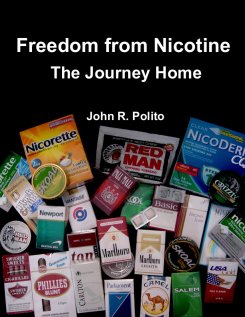
Freedom from Nicotine - The Journey Home

Freedom from Nicotine - The Journey Home

New free e-book arrives just in time for New Year's quitting resolutions.

WhyQuit - Wednesday, December 31, 2008

Click to download Freedom from NicotineWhether your New Year's quitting resolution is to stop smoking, end oral tobacco use or break free from the nicotine gum or lozenge, you're in luck. Packed with quitting insights, Freedom from Nicotine - The Journey Home is a free, 239 page, 2.1mb pdf e-book being released today.

The book was written by John R. Polito, and former 30-year heavy smoker and editor of WhyQuit, a popular free online quitting site. With more than 400 footnotes, most linked to medical journal articles, the book shares the research and science underlying the cessation method which, by far, undeniably accounts for more long-term success stories each year than all other methods combined.

"Pharmaceutical industry influence falsely portrays cold turkey quitting as nearly impossible and non-science-based," says Polito. "The assertions are insane and it's time to fight back."

WhyQuit is also home to Joel Spitzer's free e-book Never Take Another Puff, to more than 60 free video counseling lessons and to a free online support group, Freedom from Tobacco. The site sells nothing, declines donations and is staffed entirely by volunteer cessation educators.

Founded in July, 1999, current U.S. Google rankings list WhyQuit as the #1 ranked "cold turkey" quitting forum, the #1 search result among 232,000 "nicotine cessation" search results, #2 among 8.2 million "stop smoking" results and #3 among 7.4 million "quit smoking" results.

Wednesday, December 31, 2008

AMICOR Bassanesi viaja para Londres

Nosso AMICOR, desde antes da primeira hora, acaba de embarcar para Inglaterra com a família,  onde vai trabalhar com Sir Michael Marmot em determinação social de saúde e doença.
Nossos votos de Boa Viagem e de 2009 cheio de realizações e felicidade para eles e para todos nos.
sergio.bassanesi@ufrgs.br Será nosso Embaixador na Universidade de Londres. 
Our AMICOR, since long time, embarked to UK with his family, where he will work with Sir Michael Marmot on Social Determination of Health and Disease.
Our vows of good trip and a new year full of  achievements and happiness, for them and for all of us.
sergio.bassanesi@ufrgs.br He will be our ambassador in the London University. 

Tuesday, December 30, 2008

Chronic Disease Prevention and Control in the Americas

fromMeiners, Dra. Micheline Marie Milward de Azevedo(BRA)
Regional Strategy for CNCDs

Purpose of the Newsletter: To share information between countries, within PAHO and with key partners and promote the Regional Strategy on an Integrated Approach to the Prevention and Control of Chronic Diseases Including Diet, Physical Activity, and Health; to share developments on all aspects of the Strategy and its four lines of action (surveillance & response, advocacy & policy, health promotion & disease prevention, and integrated management of chronic diseases & risk factors) as well as news on program implementation.

Scope of the Newsletter: The newsletter can include items of interest in the following areas related to chronic disease surveillance, prevention, and management, including their risk factors:

  • National, subregional or regional events or developments in chronic disease and risk-factor prevention and control.
  • Country activities (please cite source and/or links if it is from a national agency; also, country news must be authorized by the corresponding Ministry or NGO):
    • New surveillance findings, analyses, studies, trends.
    • Prevention initiatives and campaigns.
    • Policy developments in health or broader healthy public policies of relevance.
      • Launch of strategies or plans.
    • New Partnerships or grants.
    • Major workshops or training events.
    • New information resources or links.

    The newsletter began in January 2007. Typical contents revolve around regional developments, progress in the countries, upcoming events, announcements, and/or information resources. The current issue (and the occasional special issue) can be found in the left-hand column, in PDF unless otherwise designated, and archives will be listed below.

    CNCD News from PAHO-Brazil Brazil  (in Portuguese)

Archives:  2008   |   2007
2008 (Vol. 2)
  • Vol. 2, No. 11 (November 2008): Spotlight: World Diabetes Day 2008: PAHO Urges Fight Against Obesity and Malnutrition in the Americas; Basic Facts on Diabetes; Ten Misconceptions on Diabetes;Progress in the Countries: Chile Inaugurates Cancer Week; News Roundup.
  • Vol. 2, No. 10 (October 2008): <Personal Testimonials: The Human Cost: The Year Five Men in My Life Died from a Chronic Disease; Regional Action: PAHO Directing Council Adopts Regional Plan to Fight Cervical Cancer; Progress in the Countries: CNCD Surveillance in MERCOSUR Countries; Barbados Civil Society Conference on CNCDs; Announcements: PAHEF Supports Healthy Aging; PAHO & PAHEF Present Inter-American Health Leadership Award to Dr. Cesar Victora of Brazil; Director's Newsletter Addresses Health Inequities.
  • Vol. 2, No. 9 (September 2008): Spotlight: Cancer: World Cancer Congress 2008; PAHO Featured at the World Cancer Congress; World Cancer Declaration Sets Ambitious Targets for 2020; PAHO Unites Cancer Control Stakeholders from LAC during World Cancer Congress; Central America and the Dominican Republic Define a Subregional Plan for Cancer Prevention & Control; Global Developments: WHO to Establish Chronic Disease Research Priorities; Progress in the Countries:Argentina: Community Promoters Project Report; Trinidad and Tobago Appoints a CNCD Technical Advisory Committee.
  • Vol. 2, No. 8 (August 2008): Spotlight: Trans Fat Free Americas: Declaration of Rio de Janeiro; Caribbean Update: Trinidad & Tobago Physical Activity Workshop; Trinidad & Tobago Consultation on Caribbean Private Sector Response to Chronic Diseases; Dominica NCD Summit; Jamaican Tobacco Project Invited to India; Jamaica Hosts Caribbean Expert Consultation on CVDs & Diabetes; Barbados National CNCD Commission; Key CNCD Events: Guatemala: Certification of First Round of Cardiovascular Health Promoters; Information Resources; PanAm Steps Surveillance Instrument Updated'Report on Cancer Stakeholders Meeting.
  • Vol. 2, No. 7 (July 2008): Spotlight: PAHO To Consider CNCD Resolutions; Partner's Forum "12 x 2012"; Key CNCD Events: Global Vaccine Alliance Supports Introduction of HPV Vaccine; Jamaica: Prime Minister Golding Underscores Commitment to Caribbean Wellness; Caribbean Wellness Day; Did you know? CARMEN Policy Observatory.
  • Vol. 2, No. 6 (June 2008): Spotlight: Tobacco; World No Tobacco Day 2008; WNTD across the Americas; Awards and Recognition for the Americas; Jamaican Heart Foundation Receives Regional Grant for Tobacco Warnings; Spotlight: Cancer; Stakeholders Meeting for a Regional Action Plan; Fact Sheets on Cancer in the Americas; Towards Comprehensive Cervical Cancer Prevention & Control; Congress on Childhood Cancer.
  • Vol. 2, No. 5 (May 2008): Editor's Note: Look around you: A Tale of Trash; Regional Developments:World Health Assembly Sets Bold New Path for CNCDs; Alcohol as a Risk Factor for Chronic Disease;Progress in the Countries: Guatemala Declares April Healthy Living Month; 20 Years of Cervical Cancer Prevention in Chile; CNCD Surveillance in the Southern Cone; Upcoming Events, Two Consecutive International Events in Chile: Social Marketing and Child Obesity Course; Pan American Congress to Promote Vegetable and Fruit Consumption; Information Resources: Web-Based Healthcare and Chronic Disease.
  • Vol. 2, No. 4 (April 2008): Editor's Note: The CARMEN Coat: Exemplifying Integrated Prevention & Control of Chronic Diseases & Risk Factors; Regional Developments: International Summit on Nutrition & Health; Information Resources: Stopping the Rising Tide of Chronic Diseases: Everybody's Epidemic; New Evidence from Peru's Cervical Cancer Demonstration Project; New Diabetes Guide for Latin America.
  • Vol. 2, No. 3 (March 2008): Editor's Notes: Exploding the Myths; Partnership & Teamwork: CNCD Partners Forum; Regional Developments: World Kidney Day: 13 March 2008; Symposium on Cervical Cancer Prevention; Progress in the Countries: New CNCD Newsletter Launched in Brazil; Information Resources: New WHO Cardiovascular Handbook; New Guidelines for Diabetes and Hypertension in the Caribbean.
  • Vol. 2, No. 2 (February 2008): Editor's Note: Chronic Disease: The Case for Urgent Global Action; Stopping the Epidemic of Chronic Disease: Focus on Advocacy and Policy; Regional Developments:An End to Cervical Cancer—The Time Is Now!; Progress in the Countries: Subregional Cancer Plan for Central America and the Dominican Republic; PanAm STEPS Country Update; Announcements: 3-Day Walk for Breast Cancer; New Improved CARMEN Website; 2008 PAHEF Grants Program; Letters to the Editor.
  • Vol. 2, No. 1 (January 2008): Greetings from the Editor; Special Feature: Cancer (Celebrate World Cancer Day: 4 February 2008; 10 Key Findings and Recommendations for Effective Cervical Cancer Screening and Treatment Programs; New Global Cervical Cancer Advocacy Coalition; Follow-Up on New Cancer Center in Argentina; Cervical Cancer Resources for Public Health Professionals);Progress in the Countries: Findings from Diabetes Project in Mexico; Physical Activity and Public Health Course in Guatemala; Visit to PAHO-NHLBI Project in Mixco, Guatemala.
2007 (Vol. 1)
  • Vol. 1, No. 12 (December 2007): Greetings from the Editor; Regional Developments: CARMEN Biennial Meeting Report; 2nd International Cancer Control Congress Report; Progress in the Countries:Mexico: Meeting of Americas' Network for Chronic Disease Surveillance; Announcements: PepsiCo Global Health Director Serves on PAHEF Board.
  • Vol. 1, No. 11 (November 2007): Regional Developments: Biennial Meeting of the CARMEN Network; Celebration of World Diabetes Day; Progress in the Countries: CARMEN Policy Observatory Workshop in Barbados; Announcements: Comprehensive Website Outlines PAHO CNCD Strategy and Directions;New Publications: Two Articles on Tobacco by Lawrence O. Gostin: Global Regulatory Strategies for Tobacco Control; The Tobacco Wars: Global Litigation Strategies.
  • Vol. 1, No. 10 (October 2007): Regional Developments: Don Francisco's Obesity Program Tops Ratings; Progress in the Countries: Central American Ministers of Health Resolve to Prevent and Control Cancer; Argentina: New Cancer Treatment Center; Panama: Capacity-Building Workshop with Focal Points; Workshop in Barbados for Eastern Caribbean Policy-Makers; Announcements: PAHO to Translate CARICOM Declaration of Port-of Spain to Stop the CNCD Epidemic; Upcoming Events: Biennial CARMEN Meeting in the Bahamas; 2nd International Cancer Control Congress in Brazil; Information Resources: New CNCD Advocacy Toolkit from WHO; Cervical Cancer Practice Guide Now Available in Spanish and French.
  • Vol. 1, No. 9 (September 2007): Progress in the Countries: CARICOM Summit on CNCDs (Landmarks of Caribbean Cooperation in Health, CARICOM Leaders Declare War on Chronic Diseases, Mr. Golding a Hit at CARICOM Summit); Nicaragua Plans a National Cancer Program; Upcoming Events: El Paso, Texas: Two Diabetes Meetings; Information Resources: Guatemala Survey on CNCD Risk Factors; Cuba: New Publication on Diabetes Education.
  • Vol. 1, No. 8 (August 2007): Regional Developments: Breast Cancer Guidelines Now Available in Spanish; Progress in the Countries: Policy Recommendations on Tobacco Control for CARICOM Countries; USA: New Guidelines for Physical Activity; Trinidad and Tobago NCD Programs; Follow-Up on Nicaragua Meetings; Upcoming Events: CARICOM Summit on CNCDs; Call for Abstracts, Biennial CARMEN Meeting.
  • Vol. 1, No. 7 (July 2007): Regional Developments: WHO/ICO Information Centre on Human Papilloma Virus (HPV) and Cervical Cancer; Progress in the Countries: Meetings in Nicaragua: National Plan and CAMDI (Central American Diabetes Initiative); Colombia: Community Service Research Network Dedicated to Care for Persons with Chronic Disease; Information Resources: An Economic Perspective on Chronic Diseases.
  • Vol. 1, No. 6 (June 2007): Regional Developments: PAHO Urges New Approach to Cervical Cancer Prevention at Briefing with United States Congress; Progress in the Countries: Trans Fat Free Americas: Conclusions and Recommendations of the Task Force; Annual Meeting of Caribbean Epidemiologists & Lab Directors; Five-Day PanAm STEPS Workshop in Aruba; Announcements: PAHEF Welcomes International Nutritionist to Its Board; Upcoming Events: Trans Fat Meeting with Food Industry.
  • Vol. 1, No. 5 (May 2007): Regional Developments: Regional Strategy and Plan of Action for Cervical Cancer Prevention and Control in Latin America and the Caribbean, 2008–2015; New Recommendations for Effective Cervical Cancer Prevention; Winners Announced in PACI Project Competition, Training Workshop Held; Progress in the Countries: US-Mexican Border Health Association Diabetes Forum; VIGITEL: Brazil's Risk Factor Surveillance by Phone; Announcements:Call for Abstracts, 2nd International Cancer Control Congress
  • Vol. 1, No. 4 (April 2007): Regional Developments: Nutrition Experts call for "Trans Fat Free Americas"; Progress in the Countries: Meeting of PAHO/WHO Representatives from Andean and Southern Cone Countries; Announcements: Caribbean Summit on Chronic Disease Prevention;Information Resources: Learn how to eat, drink, and be healthy!
  • Vol. 1, No. 3 (March 2007): Regional Developments: Celebration of International Women's Day; Pan American Tobacco Information Online System (PATIOS);Training to Improve Evidence-Based Public Health in Latin America and the Caribbean; Progress in the Countries: Launch of the Deceased Donor Program in Trinidad; Nicaragua: Creation of a National Committee for Cancer Prevention and Control; Announcements: PAHEF Grants and Awards.
  • Vol. 1, No. 2 (February 2007): Regional Developments: WHO Framework Convention on Tobacco Control; Let's eat healthy, live well and get moving America!; CARMEN School; Preventing Chronic Disease: A Framework for Country Action; Progress in the Countries: US-Mexican Border: Preventing Obesity in Children and Young People; Subregional Meeting of Representatives & Center Directors from Mesoamerica & the Spanish-Speaking Caribbean.
  • Vol. 1, No. 1 (January 2007): Regional Developments: Regional Strategy Approved; Campaign Against Obesity Takes Shape; Partnerships and Resource Mobilization; Promoting Cardiovascular Health; CARMEN Policy Observatory Meeting; Progress in the Countries: Mexico & Central America Implementing Strategy; Central American Diabetes Initiative; STEPS Implementation Underway;Information Resources: TATI Report Published; Chronic Disease in Times of Disaster.