1124918429571HFDataStndsFinal.pdf (application/pdf Object)
PREAMBLE
The American College of Cardiology (ACC) and the American Heart Association (AHA) recognize the importance of refining the lexicon used to describe the process and outcomes of clinical care, whether in randomized trials, observational studies, registries, or quality improvement initiatives. Broad professional agreement on a common vocabulary with common definitions will facilitate cross-study comparisons or, when advantageous, combining of data across studies and improving the assessment of any project’s generalizability to clinical practice. To further efforts aimed at standardizing such a
lexicon, the ACC and AHA have undertaken to develop and publish clinical data standards—sets of standardized data elements and corresponding definitions that can be used in a variety of data collection efforts for a range of cardiovascular conditions.
It is hoped that these clinical data standards will:
1. Improve cross-comparison of results and clinical outcomes between different trials and registries.
2. Facilitate the development and conduct of future registries, at both hospital and national levels, by providing a list of major variables, outcomes, and definitions.
3. Facilitate measurement for quality improvement programs.
4. Become the basis for a standardized medical documentation process with the anticipation that the medical record will progress to an electronic format.
Thursday, September 08, 2005


Wednesday, September 07, 2005
How New Heart-Scanning Technology Could Save Your Life -- Sep. 05, 2005 -- Page 1
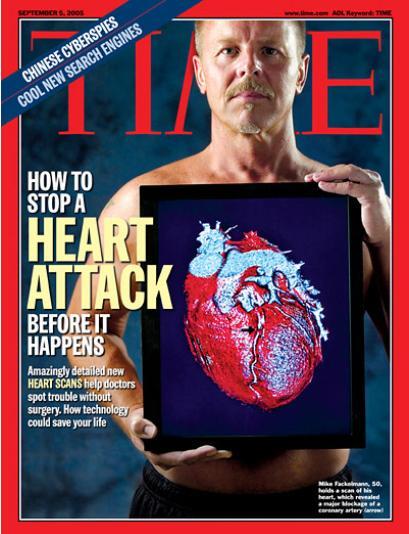
TIME.com: How New Heart-Scanning Technology Could Save Your Life -- Sep. 05, 2005 -- Page 1
(Recommended by Paulo Schvartzman [paulos@terra.com.br])
More and more, doctors are diagnosing coronary disease without any invasive tests whatever
By CHRISTINE GORMAN, ALICE PARKimprovements in CT (for computed tomography) scanning, which uses highly specialized X-ray machines to take multiple, finely layered pictures of the heart and surrounding blood vessels. Sophisticated computer programs sort the data to generate amazingly detailed, three-dimensional images like the ones that alerted Fackelmann's doctors to his hidden heart problem. Advances in other techniques like MRI (magnetic resonance imaging) have astonished physicians with the clarity of details now available to them on the inner workings of the heart.
Tuesday, September 06, 2005
IV Congreso Virtual de Cardiologia.
Estimado Dr. Achutti, el 1º de setiembre se inicio con todo exito el Cuarto Congreso Virtual de Cardiologia.
Hasta la fecha contamos con 17.364 inscriptos de 126 paises del mundo.
Durante los proximos tres meses, trataremos de ofrecer a nuestros lectores, un variado y ambicioso programa cientifico, dentro del cual se destaca la realizaciòn del LinuxMed 1er Congreso Mundial Virtual sobre Software Libre en el Area Salud y
ISHNE Atrial Fibrillation World-Wide Internet Symposium
ISHNE Atrial Fibrillation World-Wide Internet Symposium
Tambien se realizara un curso basico de Bioestadisticas para medicos.
La incripcion al Congreso es libre y gratuita y puede realizarse en:
Seria un honor para nosotros contar en nuestra audiencia con Usted y los prestigiosos miembros de AmiCor.
Afectuosamente
Dra. Silvia Nanfara
Co-Presidente Cuarto Congreso Virtual de Cardiologia
Federacion Argentina de Cardiologia
comparing contributions from primary prevention and secondary prevention
Modelling the decline in coronary heart disease deaths in England and Wales, 1981-2000: comparing contributions from primary prevention and secondary prevention
(Recommended by Mario de Camargo Maranhão[mariomaranhao@uol.com.br])
* Correspondence to: belgin.unal@deu.edu.tr
Objective To investigate whether population based primary prevention (risk factor reduction in apparently healthy people) might be more powerful than current government initiatives favouring risk factor reduction in patients with coronary heart disease (CHD) (secondary prevention).
Design, setting, and participants The IMPACT model was used to synthesise data for England and Wales describing CHD patient numbers, uptake of specific treatments, trends in major cardiovascular risk factors, and the mortality benefits of these specific risk factor changes in healthy people and in CHD patients.
Results Between 1981 and 2000, CHD mortality rates fell by 54%, resulting in 68 230 fewer deaths in 2000. Overall smoking prevalence declined by 35% between 1981 and 2000, resulting in approximately 29 715 (minimum estimate 20 035, maximum estimate 44 675) fewer deaths attributable to smoking cessation: approximately 5035 in known CHD patients and approximately 24 680 in healthy people. Population total cholesterol concentrations fell by 4.2%, resulting in approximately 5770 fewer deaths attributable to dietary changes (1205 in CHD patients and 4565 in healthy people) plus 2135 fewer deaths attributable to statin treatment (1990 in CHD patients, 145 in people without CHD). Mean population blood pressure fell by 7.7%, resulting in approximately 5870 fewer deaths attributable to secular falls in blood pressure (520 in CHD patients and 5345 in healthy people) plus approximately 1890 fewer deaths attributable to antihypertensive treatments in people without CHD. Approximately 45 370 fewer deaths were thus attributable to reductions in the three major risk factors in the population: some 36 625 (81%) in people without recognised CHD and 8745 (19%) in CHD patients.
Conclusions Compared with secondary prevention, primary prevention achieved a fourfold larger reduction in deaths. Future CHD policies should prioritise population-wide tobacco control and healthier diets.
(Accepted 26 July 2005)
Monday, September 05, 2005
IEA World Congress of Epidemiology 2008: Porto Alegre
De: Bruce B. Duncan [mailto:bbduncan@orion.ufrgs.br]
Enviada em: segunda-feira, 5 de setembro de 2005
Para: Aloyzio Achutti
Cc: Maria Ines Azambuja
Assunto: IAE World Congress of Epidemiologia 2008 Porto Alegre
Prezado Achutti,
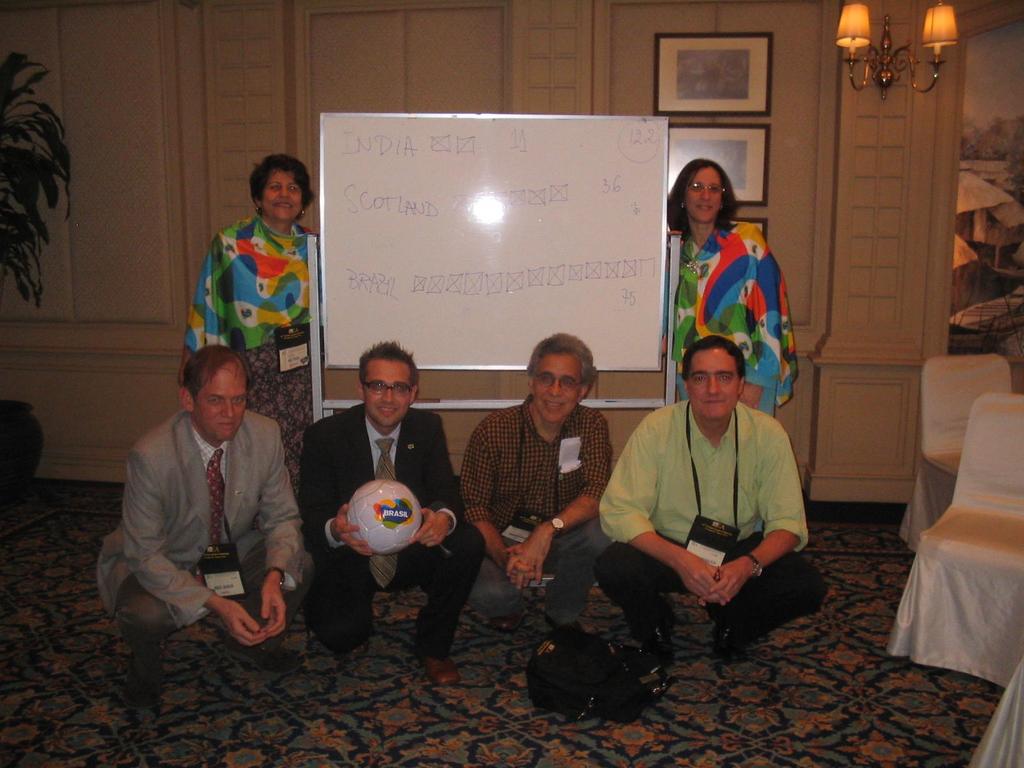
É com imensa alegria que informamos que Porto Alegre foi a cidade vencedora para receber o XVIII Congresso Mundial de Epidemiologia para o ano de 2008.
Com esforços conjuntos da ABRASCO (Associação Brasileira de Saúde Coletiva), EMBRATUR e o Porto Alegre Convention & Visitors Bureau, a defesa da candidatura aconteceu nesta quarta-feira, dia 24 de agosto, em Bangkok, Tailândia.
Porto Alegre recebeu 75 votos, contra os 11 votos recebidos por Agra (Índia) e os 36 votos recebidos por Edinburgh (Escócia).
Dra. Maria Inês Schmidt (PPG-Epidemiologia, UFRGS) fez a apresentação vencedora. Participaram também, no esforço, Maurício Barreto, Glória Teixeira, César Víctora e Bruce Duncan. O congresso será feito em paralelo com o Epi-Tche, o VII Congresso Brasileira de Epidemiologia.
Um abraço,
Bruce
P.S. Foto da equipe atachado.
Parabens aos promotores e para todos nós!.
Como no ano anterior ao Congresso Mundial (2007) estaremos completando 10 anos do Seminário Nacional de Epidemiologia e Prevenção Cardiovascular de Gramado, sugiro que se organize um segundo comemorativo, de atualização da Declaração de Gramado e de Preparação de última hora para o Mundial.
Wednesday, August 31, 2005
Racial Trends in the Use of Major Procedures among the Elderly
Ashish K. Jha, M.D., M.P.H., Elliott S. Fisher, M.D., M.P.H., Zhonghe Li, M.A., E. John Orav, Ph.D., and Arnold M. Epstein, M.D., M.A.
Recommended by Marcelo Gustavo Colominas mgcolominas@gigared.com
ABSTRACT
Background Differences in the use of major procedures according to patients' race are well known. Whether national and local initiatives to reduce these differences have been successful is unknown.
Methods We examined data for men and women enrolled in Medicare from 1992 through 2001 on annual age-standardized rates of receipt of nine surgical procedures previously shown to have disparities in the rates at which they were performed in black patients and in white patients. We also examined data according to hospital-referral region for three of the nine procedures: coronary-artery bypass grafting (CABG), carotid endarterectomy, and total hip replacement.
Results Nationally, in 1992, the rates of receipt for all the procedures examined were higher among white patients than among black patients. The difference between the rates among whites and blacks increased significantly between 1992 and 2001 for five of the nine procedures, remained unchanged for three procedures, and narrowed significantly for one procedure. We examined rates of CABG, carotid endarterectomy, and total hip replacement in 158 hospital-referral regions (79 hospital-referral regions for black men and white men and 79 for black women and white women) with an adequate number of persons for each procedure. We found that in the early 1990s, whites had higher rates for these procedures than blacks in every hospital-referral region. By 2001, the difference between whites and blacks (both men and women) in the rates of these procedures narrowed significantly in 22 hospital-referral regions, widened significantly in 42, and were not significantly changed in the remaining hospital-referral regions. At the end of the study period, we found no hospital-referral region in which the difference in rates between whites and blacks was eliminated for men or women with regard to any of these three procedures.
Conclusions For the decade of the 1990s, we found no evidence, either nationally or locally, that efforts to eliminate racial disparities in the use of high-cost surgical procedures were successful.
Source Information
From the Department of Health Policy and Management, Harvard School of Public Health (A.K.J., Z.L., A.M.E.); the Division of General Medicine, Brigham and Women's Hospital (A.K.J., E.J.O., A.M.E.); and the Boston Veterans Affairs (VA) Health System (A.K.J.) — all in Boston; and the Outcomes Group, White River Junction VA Medical Center, White River Junction, Vt., and Dartmouth Medical School, Hanover, N.H. (E.S.F.).
Recommended by Marcelo Gustavo Colominas mgcolominas@gigared.com
ABSTRACT
Background Differences in the use of major procedures according to patients' race are well known. Whether national and local initiatives to reduce these differences have been successful is unknown.
Methods We examined data for men and women enrolled in Medicare from 1992 through 2001 on annual age-standardized rates of receipt of nine surgical procedures previously shown to have disparities in the rates at which they were performed in black patients and in white patients. We also examined data according to hospital-referral region for three of the nine procedures: coronary-artery bypass grafting (CABG), carotid endarterectomy, and total hip replacement.
Results Nationally, in 1992, the rates of receipt for all the procedures examined were higher among white patients than among black patients. The difference between the rates among whites and blacks increased significantly between 1992 and 2001 for five of the nine procedures, remained unchanged for three procedures, and narrowed significantly for one procedure. We examined rates of CABG, carotid endarterectomy, and total hip replacement in 158 hospital-referral regions (79 hospital-referral regions for black men and white men and 79 for black women and white women) with an adequate number of persons for each procedure. We found that in the early 1990s, whites had higher rates for these procedures than blacks in every hospital-referral region. By 2001, the difference between whites and blacks (both men and women) in the rates of these procedures narrowed significantly in 22 hospital-referral regions, widened significantly in 42, and were not significantly changed in the remaining hospital-referral regions. At the end of the study period, we found no hospital-referral region in which the difference in rates between whites and blacks was eliminated for men or women with regard to any of these three procedures.
Conclusions For the decade of the 1990s, we found no evidence, either nationally or locally, that efforts to eliminate racial disparities in the use of high-cost surgical procedures were successful.
Source Information
From the Department of Health Policy and Management, Harvard School of Public Health (A.K.J., Z.L., A.M.E.); the Division of General Medicine, Brigham and Women's Hospital (A.K.J., E.J.O., A.M.E.); and the Boston Veterans Affairs (VA) Health System (A.K.J.) — all in Boston; and the Outcomes Group, White River Junction VA Medical Center, White River Junction, Vt., and Dartmouth Medical School, Hanover, N.H. (E.S.F.).
Saturday, August 27, 2005
Adventitial dysfunction: an evolutionary model for understanding atherosclerosis.
Med Hypotheses. 2005;65(5):962-5.
(Recommended by Marcelo Colominas. Full article available on request)
Adventitial dysfunction: an evolutionary model for understanding atherosclerosis.Yun AJ, Doux JD, Bazar KA, Lee PY.
Department of Radiology, Stanford University, 470 University Avenue, Palo Alto, CA 94301, USA.
Endothelial and smooth muscle dysfunctions are widely implicated in the pathogenesis of atherosclerosis. Modern mechanical and pharmacologic treatments aim to remodel abnormalities of the vessel intima and media. We hypothesize that adventitial dysfunction comprises the dominant source of atherosclerosis by originating many endothelial and smooth muscle abnormalities. The autonomic nervous system innervates the adventitia, and autonomic dysfunction induces many end-organ dysfunctions including inflammation and thrombosis. The link between diabetes and atherosclerosis may operate through adventitial autonomic neuropathy. Smoking may promote atherosclerosis by inducing adventitial autonomic dysfunction related to nicotine-mediated compensatory upregulation of sympathetic bias independent of endothelial injury induced by purported tobacco toxins. While hypertension is thought to cause atherosclerosis, the two conditions may instead represent independent consequences of autonomic dysfunction. The link between aging and atherosclerosis may operate through adventitial dysfunction induced by autonomic dysregulations. Exercise may ameliorate atherosclerosis by restoring adventitial autonomic function, thereby normalizing adventitial regulation of medial and intimal biology. Feed-forward adventitial vascular baroreceptor and chemoreceptor dysregulation may further exacerbate atherosclerosis as intimal plaque interferes with these sensors. Since penetrating external physical injury likely represented a dominant selective force during evolution, the adventitia may be preferentially equipped with sensors and response systems for vessel trauma. The convergent response of adrenergia, inflammation, and coagulation, which is adaptive for physical trauma, may be maladaptive today when different stressors trigger the cascade. Endoluminal therapies including atherectomy, angioplasty, and stent deployment involve balloon expansion that traumatizes all layers of the vessel wall. These interventions may paradoxically reinitiate the cascade of atherogenesis that begins with adventitial dysfunction and leads to restenosis. Methods to reduce adventitial trauma, a maladaptive trigger of adventitial dysfunction, may reduce the risk of restenosis. We envision novel mechanical and biopharmaceutical solutions that target the adventitia to prevent or treat atherosclerosis including novel drug delivery strategies, exo-stents that wrap vessels, and neuromodulation of vessels.
The role of stem cells in atherosclerosis
The role of stem cells in atherosclerosis
Full article available under request
Sent by Marcelo Colominas
q.xu@sghms.ac.uk
Summary
Accumulating evidence indicates the involvement of stem cells and/or progenitors in the development of arteriosclerosis, including transplant arteriosclerosis, angioplasty-induced restenosis, vein graft atherosclerosis and spontaneous atherosclerosis.
Recently, it was demonstrated that stem/progenitor cells existing in the circulation and adventitia contribute to endothelial repair and smooth muscle cell (SMC) accumulation. Atherosclerosis can be initiated by endothelial death in specific areas, e.g. bifurcation regions, and subsequent replacement by stem/progenitor cells.
Meanwhile, progenitor cells from blood and the adventitia migrate into the intima where they proliferate and differentiate into neo-SMC.
Stem/progenitor cells are responsible for the formation of atherosclerotic lesions, which appear as an inflammatory disease. Thus, these cells may be a source of endothelial cells and SMC, and might have implications for cellular, genetic, and tissue engineering approaches to vascular disease. Arch Mal Coeur 2005 ; 98 : 672-6.
Full article available under request
Sent by Marcelo Colominas
q.xu@sghms.ac.uk
Summary
Accumulating evidence indicates the involvement of stem cells and/or progenitors in the development of arteriosclerosis, including transplant arteriosclerosis, angioplasty-induced restenosis, vein graft atherosclerosis and spontaneous atherosclerosis.
Recently, it was demonstrated that stem/progenitor cells existing in the circulation and adventitia contribute to endothelial repair and smooth muscle cell (SMC) accumulation. Atherosclerosis can be initiated by endothelial death in specific areas, e.g. bifurcation regions, and subsequent replacement by stem/progenitor cells.
Meanwhile, progenitor cells from blood and the adventitia migrate into the intima where they proliferate and differentiate into neo-SMC.
Stem/progenitor cells are responsible for the formation of atherosclerotic lesions, which appear as an inflammatory disease. Thus, these cells may be a source of endothelial cells and SMC, and might have implications for cellular, genetic, and tissue engineering approaches to vascular disease. Arch Mal Coeur 2005 ; 98 : 672-6.
Friday, August 26, 2005
Heart bypass surgery increases risk of Alzheimer's disease - New research suggests
Heart bypass surgery increases risk of Alzheimer's disease - New research suggests
Heart bypass surgery increases risk of Alzheimer's disease - New research suggests
26 Aug 2005
Researchers say stress and trauma of surgery may be to blame Boston University School of Medicine (BUSM) researchers have discovered that patients who have either coronary artery bypass graft surgery or coronary angioplasty are at an increased risk of developing Alzheimer's disease.
The research, which appears in the current issue of the Journal of Alzheimer's Disease (http://www.j-alz.com), pinpoints stress and trauma of the surgery as the major cause for the increased risk.
Led by Benjamin Wolozin, MD, PhD, professor of pharmacology at BUSM, researchers compared 5,216 people who underwent coronary artery bypass graft surgery (CABG) and 3,954 people who had a percutaneous transluminal coronary angioplasty (PTCA) in 1996 and 1997. Over the course of five years, 78 of the patients who had bypass surgery and 41 of those who had angioplasty developed Alzheimer's disease.
Heart bypass surgery increases risk of Alzheimer's disease - New research suggests
26 Aug 2005
Researchers say stress and trauma of surgery may be to blame Boston University School of Medicine (BUSM) researchers have discovered that patients who have either coronary artery bypass graft surgery or coronary angioplasty are at an increased risk of developing Alzheimer's disease.
The research, which appears in the current issue of the Journal of Alzheimer's Disease (http://www.j-alz.com), pinpoints stress and trauma of the surgery as the major cause for the increased risk.
Led by Benjamin Wolozin, MD, PhD, professor of pharmacology at BUSM, researchers compared 5,216 people who underwent coronary artery bypass graft surgery (CABG) and 3,954 people who had a percutaneous transluminal coronary angioplasty (PTCA) in 1996 and 1997. Over the course of five years, 78 of the patients who had bypass surgery and 41 of those who had angioplasty developed Alzheimer's disease.
Tuesday, August 23, 2005
Esclarescimentos sobre a Sexta Conferencia Internacional de Cardiologia Preventiva.
A pedido do Presidente Mario de Camargo Maranhão - mariomaranhao@uol.com.br
Caros amigos e colegas : Gostaria de expor aos colegas brasileiros alguns detalhes que talvez não sejam suficientemente conhecidos por todos com relação à Sexta Conferencia Internacional de Cardiologia Preventiva, realizada em Foz de Iguassú em maio deste ano..
O programa científico foi de total responsabilidade do Council of Epidemiology and Prevention da WHF, e minha atuação foi de Chairman e organizador local, ao lado de Aloyzio Achutti que foi Co-Chairman,
mas sem maior participação nas decisões tomadas pelo Chairman do Conselho, dr. Srinath Reddy.
Me concentrei na divulgação ( que foi intensa) e captação de recursos,os quais foram insuficientes para que pudessemos ter uma representação brasileira e sul-americana mais adequada, diante da falta de patrocinios da indústria farmaceutica ou de alimentos .
Na realidade contamos apenas com o apoio da Becel Flora(Unilever), Sanofi-Aventis (tabagismo e obesidade) e Bayer Health Care(aspirina) , patrocínios conquistados em nivel internacional com o apoio da WHF, sendo que as participações de palestrantes foram de total resposabilidade de suas respectivas áreas internacionais.
Consegui encaixar poucos colegas brasileiros e sulamericanos no programa como Co-Presidentes, justamente aqueles que já estariam participando do evento ou - que poderiam estar viajando com patrocinio próprio, a fim de não gerar despesas, como o caso do dr. Mario Garcia Palmieri.Por absoluta falta de recursos tive até que cancelar a participação de amigos pessoais como os doutores Antionio Bayés de Luna e David Kelly.
A falta de maior participação da SBC se deveu à propria decisão desta entidade, convidada que foi em tempo hábil - bem como seu Presidente, o qual foi convidado à participar da cerimonia Inaugural e dos simpósios conjuntos com a SAC, FAC e WHF .
De qualquer maneira, a SBC credenciou o evento para a revalidação do titulo de especialista e permitiu sua divulgação em seu site , no Jornal da SBC e em vários eventos,inclusive com "stand"em Congressos da SBC.
Sendo assim, espero ter contribuido para a melhor compreensão dos fatos, os quais estiveram acima de minhas possibilidades em contorna-las, dada a intransigencia do Conselho e das limitações impostas pelo rigido orçamento aprovado pela WHF. Felizmente, o evento foi auto-suficiente, face o apoio de outras entidades como por exemplo o NIH, CDC, WHO,International Heart Health, IAHF, além de outras entidades que se fizeram representar e contribuiram financeiramente ou com seus convidados.Se não houve lucro, não houve prejuízos! As entidades argentinas se encarregaram das despesas de seus representantes e a World Heart federation custeou as despesas dos membros de suas diversas comissões e principalmente nos membros de seu Board.
Atenciosamente,
Mario Maranhão
Em tempo: Pela quarta vez consecutiva, a rede Globo vai transmitir um "clip"alusivo ao Dia Mundial do Coração, durante sua programaçãio normal. A exemplo d anos anteriores, a Central Globo de Comunicações, por mim acionada, se encarregou da criação,produção e divulgação do "clip"sem onus para a WHF e a SBC, cujos logos serão estampados.
Saturday, August 20, 2005
Night heart attack care 'worse'
Night heart attack care 'worse'
Patients who have a heart attack during the night or at weekends have to wait longer for treatment and are more likely to die, a US study suggests.
The report in the Journal of the American Medical Association found these patients waited longer for clot-busting drugs and surgery.
The study of 102,000 patients concluded the risk of dying increased by 7% when patients were treated out of hours.
UK experts said NHS out-of-hours care was also likely to be slower.
Lead researcher David Magid said the delays were putting lives at risk.
Patients who have a heart attack during the night or at weekends have to wait longer for treatment and are more likely to die, a US study suggests.
The report in the Journal of the American Medical Association found these patients waited longer for clot-busting drugs and surgery.
The study of 102,000 patients concluded the risk of dying increased by 7% when patients were treated out of hours.
UK experts said NHS out-of-hours care was also likely to be slower.
Lead researcher David Magid said the delays were putting lives at risk.
Friday, August 19, 2005
Five-Year Outcomes After Coronary Stenting Versus Bypass Surgery for the Treatment of Multivessel Disease: The Final Analysis of the Arterial Revascul
Five-Year Outcomes After Coronary Stenting Versus Bypass Surgery for the Treatment of Multivessel Disease: The Final Analysis of the Arterial Revascularization Therapies Study (ARTS) Randomized Trial -- Serruys et al. 46 (4): 575 -- Journal of the American College of Cardiology: "CONCLUSIONS: At five years there was no difference in mortality between stenting and surgery for multivessel disease. Furthermore, the incidence of stroke or myocardial infarction was not significantly different between the two groups. However, overall MACCE was higher in the stent group, driven by the increased need for repeat revascularization."
Friday, August 12, 2005
A framework for measuring health inequity --
A framework for measuring health inequity -- Asada 59 (8): 700 -- Journal of Epidemiology and Community Health
Yukiko Asada
yukiko.asada@dal.ca
Background: Health inequality has long attracted keen attention in the research and policy arena. While there may be various motivations to study health inequality, what distinguishes it as a topic is moral concern. Despite the importance of this moral interest, a theoretical and analytical framework for measuring health inequality acknowledging moral concerns remains to be established.
Study objective: To propose a framework for measuring the moral or ethical dimension of health inequality—that is, health inequity.
Design: Conceptual discussion.
Conclusions: Measuring health inequity entails three steps: (1) defining when a health distribution becomes inequitable, (2) deciding on measurement strategies to operationalise a chosen concept of equity, and (3) quantifying health inequity information. For step (1) a variety of perspectives on health equity exist under two categories, health equity as equality in health, and health inequality as an indicator of general injustice in society. In step (2), when we are interested in health inequity, the choice of the measurement of health, the unit of time, and the unit of analysis in health inequity analysis should reflect moral considerations. In step (3) we must follow principles rather than convenience and consider six questions that arise when quantifying health inequity information. This proposed framework suggests various ways to conceptualise the moral dimension of health inequality and emphasises the logical consistency from conception to measurement.
Yukiko Asada
yukiko.asada@dal.ca
Background: Health inequality has long attracted keen attention in the research and policy arena. While there may be various motivations to study health inequality, what distinguishes it as a topic is moral concern. Despite the importance of this moral interest, a theoretical and analytical framework for measuring health inequality acknowledging moral concerns remains to be established.
Study objective: To propose a framework for measuring the moral or ethical dimension of health inequality—that is, health inequity.
Design: Conceptual discussion.
Conclusions: Measuring health inequity entails three steps: (1) defining when a health distribution becomes inequitable, (2) deciding on measurement strategies to operationalise a chosen concept of equity, and (3) quantifying health inequity information. For step (1) a variety of perspectives on health equity exist under two categories, health equity as equality in health, and health inequality as an indicator of general injustice in society. In step (2), when we are interested in health inequity, the choice of the measurement of health, the unit of time, and the unit of analysis in health inequity analysis should reflect moral considerations. In step (3) we must follow principles rather than convenience and consider six questions that arise when quantifying health inequity information. This proposed framework suggests various ways to conceptualise the moral dimension of health inequality and emphasises the logical consistency from conception to measurement.
Yale: Introduction to Cardiothoracic Imaging
Yale: Introduction to Cardiothoracic Imaging
(From Science Netwatch)
IMAGES: Portrait of the Heart
Can't remember the location of the tricuspid valve? Need to know what an aortic aneurysm looks like on an echocardiogram? Click over to Introduction to Cardiothoracic Imaging from Yale University School of Medicine. Although aimed at medical students, the beautifully illustrated tutorial is a good resource for researchers or anyone else who wants to pump up their knowledge of heart and lung anatomy. Other sections use x-rays, echocardiogram footage, and other media to show how the structures change as a result of diseases such as emphysema and mitral stenosis, a narrowing of the opening between the left atrium and ventricle that can allow blood backflow. You'll also find a rundown of various imaging techniques.
info.med.yale.edu/intmed/cardio/imaging
(From Science Netwatch)
IMAGES: Portrait of the Heart
Can't remember the location of the tricuspid valve? Need to know what an aortic aneurysm looks like on an echocardiogram? Click over to Introduction to Cardiothoracic Imaging from Yale University School of Medicine. Although aimed at medical students, the beautifully illustrated tutorial is a good resource for researchers or anyone else who wants to pump up their knowledge of heart and lung anatomy. Other sections use x-rays, echocardiogram footage, and other media to show how the structures change as a result of diseases such as emphysema and mitral stenosis, a narrowing of the opening between the left atrium and ventricle that can allow blood backflow. You'll also find a rundown of various imaging techniques.
info.med.yale.edu/intmed/cardio/imaging
Tuesday, August 09, 2005
INFOBASE: Country-level data and comparable estimates on Risk Factors
WHO | SuRF 2: "The SuRF Report 2: Surveillance of chronic disease Risk Factors:
Country-level data and comparable estimates
This report is the second in the Surveillance of Risk Factors Report Series. SuRF2 updates the Country Profiles provided by SuRF1 in 2003. SuRF2 also presents, for the first time, comparable country-level estimates for raised blood pressure, obesity, and overweight.
The focus of the Country Profiles is recent, nationally representative risk factor data. The risk factors included in this report are those that make the greatest contribution to mortality and morbidity from cardiovascular disease, can be changed through primary intervention, and are easily measured in populations. These risk factors are:
* tobacco and alcohol use
* patterns of physical inactivity
* low fruit/vegetable intake
* overweight/obesity
* blood pressure
* cholesterol
* diabetes
The text of SuRF2 (which includes everything but the Country Profiles) can be viewed in its entirety by clicking here, view complete SuRF2.
Otherwise individual sections of the report can be viewed by using the left hand navigation.
The global maps and data tables for the country-level comparable estimates are available in the Comparable estimates section."
Country-level data and comparable estimates
This report is the second in the Surveillance of Risk Factors Report Series. SuRF2 updates the Country Profiles provided by SuRF1 in 2003. SuRF2 also presents, for the first time, comparable country-level estimates for raised blood pressure, obesity, and overweight.
The focus of the Country Profiles is recent, nationally representative risk factor data. The risk factors included in this report are those that make the greatest contribution to mortality and morbidity from cardiovascular disease, can be changed through primary intervention, and are easily measured in populations. These risk factors are:
* tobacco and alcohol use
* patterns of physical inactivity
* low fruit/vegetable intake
* overweight/obesity
* blood pressure
* cholesterol
* diabetes
The text of SuRF2 (which includes everything but the Country Profiles) can be viewed in its entirety by clicking here, view complete SuRF2.
Otherwise individual sections of the report can be viewed by using the left hand navigation.
The global maps and data tables for the country-level comparable estimates are available in the Comparable estimates section."
Monday, August 08, 2005
Spectral Analysis Identifies Sites of High-Frequency Activity Maintaining Atrial Fibrillation in Humans -- Sanders et al. 112 (6): 789 -- Circulation
Spectral Analysis Identifies Sites of High-Frequency Activity Maintaining Atrial Fibrillation in Humans -- Sanders et al. 112 (6): 789 -- Circulation: "Methods and Results— Thirty-two patients undergoing AF ablation (19 paroxysmal, 13 permanent) during ongoing arrhythmia were studied. Electroanatomic mapping was performed, acquiring 126+/-13 points per patient throughout both atria and coronary sinus. At each point, 5-second electrograms were obtained to determine the highest-amplitude frequency on spectral analysis and to construct 3D dominant frequency (DF) maps. The temporal stability of the recording interval was confirmed in a subset. Ablation was performed with the operator blinded to the DF maps. The effect of ablation at sites with or without high-frequency DF sites (maximal frequencies surrounded by a decreasing frequency gradient ≥20%) was evaluated by determining the change in AF cycle length (AFCL) and the termination and inducibility of AF. The spatial distribution of the DF sites was different in patients with paroxysmal and permanent AF; paroxysmal AF patients were more likely to harbor the DF site within the pulmonary vein, whereas in permanent AF, atrial DF sites were more prevalent. Ablation at a DF site resulted in significant prolongation of the AFCL (180+/-30 to 198+/-40 ms; P<0.0001; {kappa}= 0.77), whereas in the absence of a DF site, there was no change in AFCL (169+/-22 to 170+/-22 ms; P=0.4). AF terminated during ablation in 17 of 19 patients with paroxysmal and 0 of 13 with permanent AF (P<0.0001). When 2 patients with nonsustained AF during mapping were excluded, 13 of 15 (87%) had AF termination at DF sites (54% at the initially ablated DF site): 11 pulmonary veins and 2 atrial. In addition, AF could no longer be induced in 69% with termination of AF at a DF site. There were no significant differences in the number or percentage of DF sites detected (5.4+/-1.6 versus 4.9+/-2.1; P=0.3) and ablated (1.9+/-1.0 versus 2.4+/-1.0; P=0.3) in those with and without AF termination. The duration of radiofrequency ablation to achieve termination was significantly shorter than that delivered in those with persisting AF (34.8+/-24.0 versus 73.5+/-22.9 minutes; P=0.0002). All patients with persisting AF had additional DF sites outside the ablated zones.
Conclusions— Spectral analysis and frequency mapping identify localized sites of high-frequency activity during AF in humans with different distributions in paroxysmal and permanent AF. Ablation at these sites results in prolongation of the AFCL and termination of paroxysmal AF, indicating their role in the maintenance of AF.
"
Conclusions— Spectral analysis and frequency mapping identify localized sites of high-frequency activity during AF in humans with different distributions in paroxysmal and permanent AF. Ablation at these sites results in prolongation of the AFCL and termination of paroxysmal AF, indicating their role in the maintenance of AF.
"
Exercise Testing in Asymptomatic Adults:
Exercise Testing in Asymptomatic Adults: A Statement for Professionals From the American Heart Association Council on Clinical Cardiology, Subcommittee on Exercise, Cardiac Rehabilitation, and Prevention -- Lauer et al. 112 (5): 771 -- Circulation:
"Along with coronary artery calcium scanning, ankle-brachial index measurement, and carotid artery ultrasound, exercise electrocardiography has been proposed as a screening tool for asymptomatic subjects thought to be at intermediate risk for developing clinical coronary disease. A wealth of data indicate that exercise testing can be used to assess and refine prognosis, particularly when emphasis is placed on nonelectrocardiographic measures such as exercise capacity, chronotropic response, heart rate recovery, and ventricular ectopy. Nevertheless, randomized trial data on the clinical value of screening exercise testing are absent; that is, it is not known whether a strategy of routine screening exercise testing in selected subjects reduces the risk for premature mortality or major cardiac morbidity. The writing group believes that a large-scale randomized trial of such a strategy should be performed."
"Along with coronary artery calcium scanning, ankle-brachial index measurement, and carotid artery ultrasound, exercise electrocardiography has been proposed as a screening tool for asymptomatic subjects thought to be at intermediate risk for developing clinical coronary disease. A wealth of data indicate that exercise testing can be used to assess and refine prognosis, particularly when emphasis is placed on nonelectrocardiographic measures such as exercise capacity, chronotropic response, heart rate recovery, and ventricular ectopy. Nevertheless, randomized trial data on the clinical value of screening exercise testing are absent; that is, it is not known whether a strategy of routine screening exercise testing in selected subjects reduces the risk for premature mortality or major cardiac morbidity. The writing group believes that a large-scale randomized trial of such a strategy should be performed."
Sunday, August 07, 2005
Adaptation to a High-Fat Diet Leads to Hyperphagia and Diminished Sensitivity to Cholecystokinin in Rats --
Adaptation to a High-Fat Diet Leads to Hyperphagia and Diminished Sensitivity to Cholecystokinin in Rats -- Savastano and Covasa 135 (8): 1953 -- Journal of Nutrition:
"Rats fed high-fat (HF) diets exhibit reduced sensitivity to some peptide satiety signals. We hypothesized that reduced sensitivity to satiety signals might contribute to overconsumption of a high-energy food after adaptation to HF diets. To test this, we measured daily, 3-h intake of a high-energy, high-fat (HHF, 22.3 kJ/g) test food in rats fed either low-fat (LF) or HF, isoenergetic (16.2 kJ/g) diets. During testing, half of each group received the HHF test food (LF/HHF; HF/HHF), whereas the other half received their respective maintenance diet (LF/LF; HF/HF). Rats fed a HF diet ate more of the HHF food during the 3-h testing period than LF-fed rats (HF/HHF = 7.7 +/- 0.3 g vs. LF/HHF = 5.5 +/- 0.2 g; P = 0.003). Rats tested on their own maintenance diets had similar intakes (HF/HF = 3.2 +/- 0.2 g vs. LF/LF = 3.7 +/- 0.3 g), which were lower (P ≤ 0.008) than intakes of rats tested on HHF. HHF-tested rats did not differ in body weight by the end of wk 2 of testing. In a subsequent short-term choice preference test, rats exhibited an equal relative preference for HHF irrespective of their maintenance diets (HF = 63.1%, LF = 68.1%, P = 0.29). Finally, we examined the effect of intraperitoneal NaCl or cholecystokinin (CCK)-8 (100 and 250 ng/kg) injection on 1-h food intake. Both doses of CCK significantly suppressed food intake in LF-fed rats but not HF-fed rats. These results demonstrate that chronic ingestion of a HF diet leads to short-term overconsumption of a high-energy, high-fat food compared with LF-fed cohorts, which is associated with a decreased sensitivity to CCK."
"Rats fed high-fat (HF) diets exhibit reduced sensitivity to some peptide satiety signals. We hypothesized that reduced sensitivity to satiety signals might contribute to overconsumption of a high-energy food after adaptation to HF diets. To test this, we measured daily, 3-h intake of a high-energy, high-fat (HHF, 22.3 kJ/g) test food in rats fed either low-fat (LF) or HF, isoenergetic (16.2 kJ/g) diets. During testing, half of each group received the HHF test food (LF/HHF; HF/HHF), whereas the other half received their respective maintenance diet (LF/LF; HF/HF). Rats fed a HF diet ate more of the HHF food during the 3-h testing period than LF-fed rats (HF/HHF = 7.7 +/- 0.3 g vs. LF/HHF = 5.5 +/- 0.2 g; P = 0.003). Rats tested on their own maintenance diets had similar intakes (HF/HF = 3.2 +/- 0.2 g vs. LF/LF = 3.7 +/- 0.3 g), which were lower (P ≤ 0.008) than intakes of rats tested on HHF. HHF-tested rats did not differ in body weight by the end of wk 2 of testing. In a subsequent short-term choice preference test, rats exhibited an equal relative preference for HHF irrespective of their maintenance diets (HF = 63.1%, LF = 68.1%, P = 0.29). Finally, we examined the effect of intraperitoneal NaCl or cholecystokinin (CCK)-8 (100 and 250 ng/kg) injection on 1-h food intake. Both doses of CCK significantly suppressed food intake in LF-fed rats but not HF-fed rats. These results demonstrate that chronic ingestion of a HF diet leads to short-term overconsumption of a high-energy, high-fat food compared with LF-fed cohorts, which is associated with a decreased sensitivity to CCK."
Atherogenic amino acid elevated in cerebrovascular disease
Atherogenic amino acid elevated in cerebrovascular disease:
"The amino acid asymmetric dimethylarginine (ADMA), which is implicated in the development of atherosclerosis, may serve as a risk marker for stroke and transient ischemic attack (TIA), study findings suggest. "
"The amino acid asymmetric dimethylarginine (ADMA), which is implicated in the development of atherosclerosis, may serve as a risk marker for stroke and transient ischemic attack (TIA), study findings suggest. "
Monday, August 01, 2005
Exercise Testing in Asymptomatic Adults: A Statement for Professionals From the American Heart Association Council on Clinical Cardiology, Subcommitte
Exercise Testing in Asymptomatic Adults: A Statement for Professionals From the American Heart Association Council on Clinical Cardiology, Subcommittee on Exercise, Cardiac Rehabilitation, and Prevention -- Lauer et al. 112 (5): 771 -- Circulation:
"AHA Scientific Statement
Exercise Testing in Asymptomatic Adults
A Statement for Professionals From the American Heart Association Council on Clinical Cardiology, Subcommittee on Exercise, Cardiac Rehabilitation, and Prevention
Michael Lauer, MD, Chair; Erika Sivarajan Froelicher, RN, PhD; Mark Williams, PhD; Paul Kligfield, MD"
Along with coronary artery calcium scanning, ankle-brachial index measurement, and carotid artery ultrasound, exercise electrocardiography has been proposed as a screening tool for asymptomatic subjects thought to be at intermediate risk for developing clinical coronary disease. A wealth of data indicate that exercise testing can be used to assess and refine prognosis, particularly when emphasis is placed on nonelectrocardiographic measures such as exercise capacity, chronotropic response, heart rate recovery, and ventricular ectopy. Nevertheless, randomized trial data on the clinical value of screening exercise testing are absent; that is, it is not known whether a strategy of routine screening exercise testing in selected subjects reduces the risk for premature mortality or major cardiac morbidity. The writing group believes that a large-scale randomized trial of such a strategy should be performed.
"AHA Scientific Statement
Exercise Testing in Asymptomatic Adults
A Statement for Professionals From the American Heart Association Council on Clinical Cardiology, Subcommittee on Exercise, Cardiac Rehabilitation, and Prevention
Michael Lauer, MD, Chair; Erika Sivarajan Froelicher, RN, PhD; Mark Williams, PhD; Paul Kligfield, MD"
Along with coronary artery calcium scanning, ankle-brachial index measurement, and carotid artery ultrasound, exercise electrocardiography has been proposed as a screening tool for asymptomatic subjects thought to be at intermediate risk for developing clinical coronary disease. A wealth of data indicate that exercise testing can be used to assess and refine prognosis, particularly when emphasis is placed on nonelectrocardiographic measures such as exercise capacity, chronotropic response, heart rate recovery, and ventricular ectopy. Nevertheless, randomized trial data on the clinical value of screening exercise testing are absent; that is, it is not known whether a strategy of routine screening exercise testing in selected subjects reduces the risk for premature mortality or major cardiac morbidity. The writing group believes that a large-scale randomized trial of such a strategy should be performed.
Subscribe to:
Posts (Atom)