Translate AMICOR contents if you like

Sunday, June 05, 2016

2763 - AMICOR 19

AMICORE-Book: atualizado 05/06/2016

Aloyzio AchuttiemAMICOR - 0 seconds ago
ISFC logo139.jpg
AMICORE-BOOK [image: ISFC logo139.jpg] AMICOR PROJETO DE E-BOOK Aproveito a mensagem de Alerta semanal para convidar para uma visita a um novo Blog onde pretendo reunir artigos meus, muitos já publicados - inclusive esparsos pelo Blog AMICOR - como um projeto de E-Book ou mesmo de um futuro livro. Índice para o AMICORE-BOOK.BLOGSPOT.COM: 1. *Estendendo a opinião* 2. *AMICOR* 3. *Carnaval* 4. *Bôrtolo Achutti* 5. *Histórias que meu pai contava - 1* 6. *Histórias que meu pai contava - 2* 7. *Histórias que meu pai contava - 3* 8. *Bairro Itararé - SM* 9. *O T... mais »

Genetic Enhancement?

Aloyzio AchuttiemAMICOR - 0 seconds ago
Genome Editing ft
Homo Sapiens 2.0? We need a species-wide conversation about the future of human genetic enhancementMay 2, 2016 [image: Genome Editing ft] *By Jamie Metzl (@JamieMetzl)* *McGovern Institute for Brain Research at MIT | Genome Editing with CRISPR-Cas9* After 4 billion years of evolution by one set of rules, our species is about to begin evolving by another. Overlapping and mutually reinforcing revolutions in genetics, information technology, artificial intelligence, big data analytics, and other fields are providing the tools that will make it possible to genetically alter our future… re... mais »

Junk DNA ?

Aloyzio AchuttiemAMICOR - 0 seconds ago
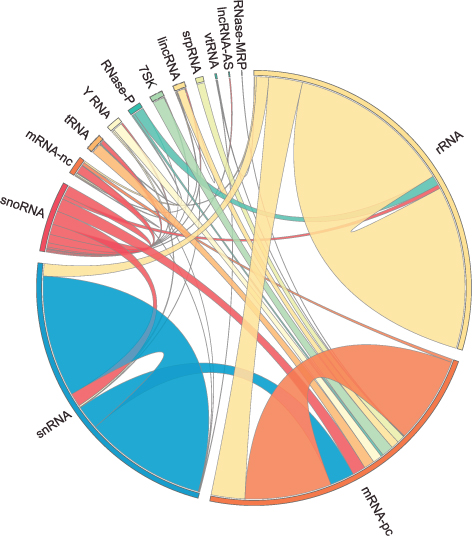
A plot of human RNA-RNA interactions detected by ligr-seq (credit: University of Toronto)
No longer ‘junk DNA’ — shedding light on the ‘dark matter’ of the genome A new tool called "LIGR-Seq" enables scientists to explore in depth what non-coding RNAs actually do in human cells May 23, 2016 [image: A plot of human RNA-RNA interactions detected by ligr-seq (credit: University of Toronto)] What used to be dismissed by many as “junk DNA” has now become vitally important, as accelerating genomic data points to the importance of non-coding RNAs(ncRNAs) — a genome’s messages that do not specifically code for proteins — in development and disease. But our progress in understanding... mais »

Diet and fiber

Aloyzio AchuttiemAMICOR - 0 seconds ago
(credit: iStock)
Dietary fiber has biggest influence on successful aging, research revealsJune 2, 2016 [image: (credit: iStock)] Eating the right amount of dietary fiberfrom breads, cereals, and fruits can help us avoid disease and disability into old age, according to an open-access paper published in *The Journals of Gerontology, Series A: Biological Sciences and Medical Sciences* by scientists fromThe Westmead Institute for Medical Research in Australia. Using data compiled from the Blue Mountains Eye Study, a benchmark population-based study… read more *Topics:* Biomed/Longevity Comments (5)

stem cells for chronic stroke

Aloyzio AchuttiemAMICOR - 0 seconds ago
Sonia Olea Coontz had a stroke in 2011 that affected the movement of her right arm and leg. After modified stem cells were injected into her brain as part of a clinical trial, she says her limbs "woke up." (credit: Mark Rightmire/Stanford University School of Medicine)
Chronic stroke patients safely recover after injection of human stem cells Stanford researchers now actively recruiting 156 patients for new trial June 5, 2016 [image: Sonia Olea Coontz had a stroke in 2011 that affected the movement of her right arm and leg. After modified stem cells were injected into her brain as part of a clinical trial, she says her limbs "woke up." (credit: Mark Rightmire/Stanford University School of Medicine)] Injecting specially prepared human adult stem cells directly into the brains of chronic stroke patients proved safe and effective in restoring motor (mus... mais »

WHO Urban Health positions opened

Aloyzio AchuttiemAMICOR - 0 seconds ago
Resultado de imagem para WHO.ORG
DORA, Carlos Francisco C. [image: Anexos]08:25 (Há 47 minutos) Dear colleagues, We have a few positions opened for the WHO forthcoming work on Urban Health, one for an economist, one for an urban health expert and one for a project officer/manager. These – especially the economist one, are closing soon. The group will work closely with colleagues in the same team who will do modelling and statistical analyses of health impacts from public policies. The initial focus for this work are the health co-benefits of policies aimed at reducing air and climate pollutants in cities. Th... mais »

Immune System

Aloyzio AchuttiemAMICOR - 0 seconds ago

*Recomendado pela AMICOR Maria Inês Reinert Azambuja* Search SUBSCRIBE LOG IN Sunday Review The New York Times SANTTU MUSTONEN Educate Your Immune SystemOur bodies are confused by this 21st-century world. - - - By MOISES VELASQUEZ-MANOFF JUNE 3, 2016 IN the last half-century, the prevalence of autoimmune disease — disorders in which the immune system attacks healthy tissue in the body — has increased sharply in the developed world. An estimated one in 13 Americans has one of these often debilitating, generally lifelong conditions. Many, like Type 1 diabetes andceliac... mais »

Neuroelectric signaling netwolrk

Aloyzio AchuttiemAMICOR - Há 10 horas
[image: Image shows a neuron.] New Insights Into Brain’s Signaling Network *Summary: A new study reports reseachers have taken an important step toward deciphering the brain’s complex neuroelectric communication system that could underlie sleep disorders and conditions such as Alzheimer’s, epilepsy and schizophrenia.* *Source: Purdue.* *Researchers have taken an important step toward deciphering the brain’s complex neuroelectric communication system that could underlie sleep disorders and conditions such as Alzheimer’s, epilepsy and schizophrenia./.../*

Hebrew Manuscripts

Aloyzio AchuttiemAMICOR - Há 22 horas
08 May 2016 Lights, Camera, Action! Filming for the Hebrew Manuscripts Digitisation Project In late 2015 I was planning a short video to introduce the Hebrew Manuscripts Digitisation Project. This project, which started in 2013, has been digitising about 1,300 manuscripts from the British Library’s significant collection of Hebrew manuscripts. So far, almost 800 manuscripts have been uploaded to the Digitised Manuscripts website, and the rest will be uploaded within the next few months. Generously funded by The Polonsky Foundation, this project allows Hebrew manuscripts to be freely... mais »

Alzheimer's sign

Aloyzio AchuttiemAMICOR - Há um dia
Head Turning Sign May Help Identify Alzheimer's Pauline Anderson June 01, 2016 COPENHAGEN — A simple, rapid test called the Head Turning Sign (HTS) may help to assess the presence of Alzheimer's disease (AD) dementia. Patients who turn their head toward their caregiver for assistance or cues to help them answer simple questions are more likely to have AD dementia than mild cognitive impairment (MCI) or frontotemporal dementia (FTD), a new study shows. "Turning one's head should be regarded as a warning sign, although a nonspecific warning sign, for AD, especially if it's repeated throu...mais »

NMNAT2 and Alzheimer

Aloyzio AchuttiemAMICOR - Há um dia
New Ways to Protect Against Neurodegeneration NEUROSCIENCE NEWSJUNE 2, 2016 *Summary: NMNAT2 may protect against the debilitating effects of some neurodegenerative diseases, including Alzheimer’s disease.* *Source: Indiana University.* *Higher levels of an enzyme in the brain correlate with better cognitive function in older people.* A study led by biomedical researchers at Indiana University has found evidence that an enzyme known as NMNAT2 may help protect against the debilitating effects of certain degenerative brain diseases, including Alzheimer’s. The research was led by Hui-Chen ... mais »

Aviação

Aloyzio AchuttiemAMICOR - Há 2 dias
How One Man Came to Own the Skies and Make Aviation History - Peter B. Doran @PeterBDoran June 1, 2016 Adicionar legenda Viking *Peter B. Doran is the Vice President of Research at the Center for European Policy Analysis at the Center for European Policy Analysis and the author of* Breaking Rockefeller. In 1903, the Wright brothers invented the airplane. In 1910, Glenn H. Curtiss topped their monopoly on aviation RECOMMENDED FOR YOU [image: China’s Richest Man Opens Theme Park With Warning for Disney] China’s Richest Man Opens Theme Park With Warning for Disney [image: Why th... mais »

Dia Mundial Sem Fumo

Aloyzio AchuttiemAMICOR - Há 3 dias
World No Tobacco Day 2016 http://www.who.int/campaigns/no-tobacco-day/2016/en/ Ontem, 31 de maio de 2016 - Dia Mundial sem Tabaco - perguntei-me ao passar frente o deteriorado monumento em homenagem ao saudoso Professor Mário Rigatto, se era tão curta nossa memória, ou se não valorizávamos mais uma de suas principais bandeiras alertando para os riscos do tabagismo. Eu não poderia esquecer o Rigatto que me antecedeu por quatro anos na universidade, a quem tive a honra de suceder em 1971 na presidência da Comissão Científica da AMRIGS, como companheiro em inúmeras atividades relacion... mais »

Alzheimer D and infections

Aloyzio AchuttiemAMICOR - Há 3 dias
*From Scientific America: * Antimicrobial Mechanism Gone Rogue May Play Role in Alzheimer's Disease A new study finds that a key protein implicated in Alzheimer’s may normally protect the brain from infectionBy Jordana Cepelewicz on May 26, 2016 Brain scan of a patient affected by Alzheimer's Disease. *Credit: Photo By BSIP/UIG via Getty Images* General consensus among Alzheimer’s researchers has it that the disease’s main culprit, a protein called amyloid beta, is an unfortunate waste product that is not known to play any useful role in the body—and one that can have devastating co... mais »

Loss of Y Chromosome

Aloyzio AchuttiemAMICOR - Há 3 dias
Loss of Y Chromosome Linked to Alzheimer's in Men By Larry Hand May 31, 2016 NEW YORK (Reuters Health) - Lifetime-acquired loss of Y chromosome (LOY) in blood in men may increase the risk of Alzheimer's disease (AD) and may explain why men live shorter lives than women on average, according to new research. Dr. Jan P. Dumanski of Uppsala University in Sweden and colleagues analyzed data from three independent studies of dementia: two prospective studies and one case-control study. All participants were genotyped, and the researchers used a continuous variable, the median of the log R... mais »

Stress and Cognition Decline

Aloyzio AchuttiemAMICOR - Há 3 dias
Hormone Causes Decline in Cognition After Social Stress *Summary: Researchers explore how stress can influence our cognitive performance.* *Source: Max Planck Institute.* *How does stress influence our cognitive performance? This is an issue scientists at the Max Planck Institute of Psychiatry in Munich have been dealing with. For the first time, they have identified a brain mechanism that explains why the cognitive performance of mice is reduced after being exposed to social stress. This finding will help to improve our understanding and treatment of disorders involving cognitive dec... mais »

Pain Reliever

Aloyzio AchuttiemAMICOR - Há 3 dias
New Class of Pain Relievers Discovered and Tested NEUROSCIENCE NEWSJUNE 1, 2016 *Summary: Researchers say a new compound simultaneously blocks two sought after pain targets.* *Source: Duke.* *New drug blocks two sought-after pain targets.* A research team at Duke University has discovered a potential new class of small-molecule drugs that simultaneously block two sought-after targets in the treatment of pain. These proof-of-concept experiments, published June 1 in* Scientific Reports*, could lead to the development of a new drug to treat conditions including skin irritation and itchin...mais »

Ancient Greek Astronomy

Aloyzio AchuttiemAMICOR - Há 3 dias
REMARKABLE ASTRONOMICAL ACHIEVEMENTS OF THE ANCIENT GREEKS -- 6/01/16 *Today's selection -- from To Explain the World by Steven Weinberg.*Thousands of years before Christopher Columbus, the early Greek philosopher Aristotle laid out the reasons for concluding that the Earth was round, and from that point forward,this became the prevailing view among ancient astronomers and philosophers./.../


lobby cigarettier

Aloyzio AchuttiemAMICOR - Há 4 dias
Comment le lobby cigarettier a influencé une étude Alors que plusieurs pays européens réfléchissent à l'introduction du paquet de cigarettes neutre, des experts mettent en garde contre une étude aux conclusions controversées Le 31 mai prochain aura lieu la «journée mondiale sans tabac». À cette occasion, l’OMS invite les Etats à «se préparer au paquet neutre», comme l’on déjà fait l'Australie en 2012 et la France en ce mois de mai. Bien que certaines études scientifiques nient l’effet d’un paquet de cigarettes neutre sur la population de fumeurs, leCIPRET, centre d’information pour la... mais »

Philosophy Encyclopedia

Aloyzio AchuttiemAMICOR - Há 5 dias
About the IEP *The Internet Encyclopedia of Philosophy* (IEP) (ISSN 2161-0002) was founded in 1995 as a non-profit organization to provide open access to detailed, scholarly information on key topics and philosophers in all areas of philosophy. The Encyclopedia receives no funding, and operates through the volunteer work of the editors, authors, volunteers, and technical advisers. At present the IEP is visited over 950,000 times per month. The Encyclopedia is free of charge and available to all users of the Internet world-wide. The staff of 30 editors and approximately 300 authors ho... mais »

AMICORE-Book: atualizado 05/06/2016

AMICORE-BOOK
ISFC logo139.jpg
AMICOR PROJETO DE E-BOOK
Aproveito a mensagem de Alerta semanal para convidar para uma visita a um novo Blog onde pretendo reunir artigos meus, muitos já publicados - inclusive esparsos pelo Blog AMICOR - como um projeto de E-Book ou mesmo de um futuro livro.


Índice para o AMICORE-BOOK.BLOGSPOT.COM:

  1. Estendendo a opinião
  2. AMICOR
  3. Carnaval
  4. Bôrtolo Achutti
  5. Histórias que meu pai contava - 1
  6. Histórias que meu pai contava - 2
  7. Histórias que meu pai contava - 3
  8. Bairro Itararé - SM
  9. O Trem
  10. VFRGS
  11. O Último Trem
  12. O Trem da História
  13. Luiza Cechella Achutti *15/02/1911 + 05/12/1999
  14. Henriette Katherine Böbion Adami *30/12/1802 + 1886
  15. Moacyr Scliar
  16. Paz
  17. Um lá e quarenta aqui
  18. Violência
  19. Medicina URGS 1958
  20. Retorno à Casa de Sarmento
  21. Sobrevivendo ao assalto
  22. Agudo (na época distrito de Cachoeira do Sul)
  23. Minha primeira Escola
  24. Cleptomania
  25. Nexo Causal
  26. Certeza, Probabilidade, Confiança e Ilusão
  27. O segredo é a alma do negócio
  28. Risco e Limite
  29. Cadeia Contraprodutiva
  30. Degradação
  31. Corrupção
  32. Pelé & Jatene
  33. Engana-me
  34. Socializando as perdas
  35. Terrorismo
  36. Império do medo
  37. Summum jus summa injuria
  38. Dia do Médico
  39. Porque comigo?
  40. Porto Alegre 244 anos
  41. A Saúde de Porto Alegre
  42. Policiais, Juizes e Médicos
  43. Certeza Probabilidade, Confiança e Ilusão
  44. Onde está a verdade?
  45. Transação Econômica
  46. Rede Básica
  47. Treinados para ilusão
  48. O Discurso Médico
  49. Desigualdade, Política e Poder
  50. Espaço-Tempo
  51. História de meu primo
  52. Porque escrevo?
  53. Escoteiros
  54. PESADELO
  55. TRAGÉDIA HUMANA
  56. INVESTINDO EM SAÚDE
  57. O Medo
  58. A Passeata dos Bichos
  59. A República de Platão
  60. Doenças novas (artigo de 2009)
  61. Hildebrando Westphalen
  62. Silva
  63. Amigos
  64. Formatura 2o. grau - 1952
  65. Work-shop em Curitiba

Genetic Enhancement?

Homo Sapiens 2.0? We need a species-wide conversation about the future of human genetic enhancement

May 2, 2016
Genome Editing ft
By Jamie Metzl (@JamieMetzl)
McGovern Institute for Brain Research at MIT | Genome Editing with CRISPR-Cas9
After 4 billion years of evolution by one set of rules, our species is about to begin evolving by another.
Overlapping and mutually reinforcing revolutions in genetics, information technology, artificial intelligence, big data analytics, and other fields are providing the tools that will make it possible to genetically alter our future… read more

Junk DNA ?

No longer ‘junk DNA’ — shedding light on the ‘dark matter’ of the genome

A new tool called "LIGR-Seq" enables scientists to explore in depth what non-coding RNAs actually do in human cells
May 23, 2016
A plot of human RNA-RNA interactions detected by ligr-seq (credit: University of Toronto)
What used to be dismissed by many as “junk DNA” has now become vitally important, as accelerating genomic data points to the importance of non-coding RNAs(ncRNAs) — a genome’s messages that do not specifically code for proteins — in development and disease.
But our progress in understanding these molecules has been slow because of the lack of technologies that allow for systematic mapping of their functions.… read more

Diet and fiber

Dietary fiber has biggest influence on successful aging, research reveals

June 2, 2016
(credit: iStock)
Eating the right amount of dietary fiberfrom breads, cereals, and fruits can help us avoid disease and disability into old age, according to an open-access paper published in The Journals of Gerontology, Series A: Biological Sciences and Medical Sciences by scientists fromThe Westmead Institute for Medical Research in Australia.
Using data compiled from the Blue Mountains Eye Study, a benchmark population-based study… read more

stem cells for chronic stroke

Chronic stroke patients safely recover after injection of human stem cells

Stanford researchers now actively recruiting 156 patients for new trial
June 5, 2016
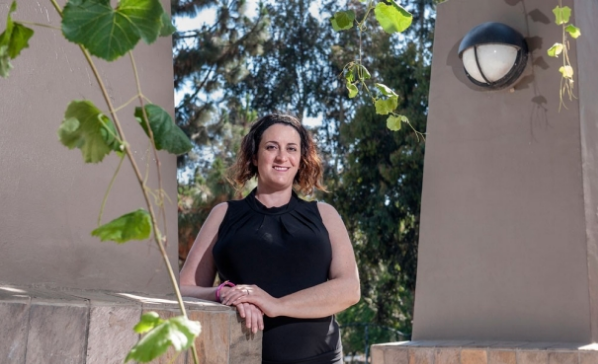
Sonia Olea Coontz had a stroke in 2011 that affected the movement of her right arm and leg. After modified stem cells were injected into her brain as part of a clinical trial, she says her limbs "woke up." (credit: Mark Rightmire/Stanford University School of Medicine)
Injecting specially prepared human adult stem cells directly into the brains of chronic stroke patients proved safe and effective in restoring motor (muscle) function in a small clinical trial led by Stanford University School of Medicine investigators.
The 18 patients had suffered their first and only stroke between six months and three years before receiving the injections, which involved drilling a small hole through their skulls.
For most… read more

WHO Urban Health positions opened

DORA, Carlos Francisco C.

Anexos08:25 (Há 47 minutos)

Dear colleagues,
We have a few  positions opened for the WHO forthcoming work on Urban Health, one for an economist, one for an urban health expert and one for a project officer/manager.  These – especially the economist one, are closing soon.  The group will work closely with colleagues in the same team who will do modelling and statistical analyses of health impacts from public policies.  The initial focus for this work  are the health co-benefits of policies aimed at reducing air and climate pollutants in cities.  These are posts over two years initially (advertised over a shorter  term but renewable).  The field work will start in African cities, and we are working to extend the project for other regions.  The aim is to test and adapt – jointly with partner cities - a model for strengthening the health sector capacity to support sustainable and healthy urban policies (through analyses, advice and engagement with local stakeholders), that can be widely disseminated to other cities globally.  We hope this can become an engine for preventing disease and for mitigating air and climate pollutants, once it achieves the necessary scale, building on the health sector wide outreach also in LMICs.
Grateful if you could send to good potential candidates
Best regards
Carlos

Carlos Dora, MD, PhD.
Co-ordinator
Public Health, Environmental and Social Determinants of Health Department
World Health Organization
Av Appia 20
CH-1211  Geneva 27
Switzerland
Phone: +41 22 791 3541
Email:  dorac@who.intdorac@who.int
>
3 anexos (posso encaminhar os anexos para quem estiver interessado)

Immune System

Recomendado pela AMICOR Maria Inês Reinert Azambuja

Sunday Review The New York Times

SANTTU MUSTONEN

Educate Your Immune System

Our bodies are confused by this 21st-century world.

IN the last half-century, the prevalence of autoimmune disease — disorders in which the immune system attacks healthy tissue in the body — has increased sharply in the developed world. An estimated one in 13 Americans has one of these often debilitating, generally lifelong conditions. Many, like Type 1 diabetes andceliac disease, are linked with specific gene variants of the immune system, suggesting a strong genetic component. But their prevalence has increased much faster — in two or three generations — than it’s likely the human gene pool has changed.

Saturday, June 04, 2016

Neuroelectric signaling netwolrk

Image shows a neuron.

New Insights Into Brain’s Signaling Network

Summary: A new study reports reseachers have taken an important step toward deciphering the brain’s complex neuroelectric communication system that could underlie sleep disorders and conditions such as Alzheimer’s, epilepsy and schizophrenia.
Source: Purdue.
Researchers have taken an important step toward deciphering the brain’s complex neuroelectric communication system that could underlie sleep disorders and conditions such as Alzheimer’s, epilepsy and schizophrenia./.../


Hebrew Manuscripts

08 May 2016

Lights, Camera, Action! Filming for the Hebrew Manuscripts Digitisation Project

In late 2015 I was planning a short video to introduce the Hebrew Manuscripts Digitisation Project. This project, which started in 2013, has been digitising about 1,300 manuscripts from the British Library’s significant collection of Hebrew manuscripts. So far, almost 800 manuscripts have been uploaded to the Digitised Manuscripts website, and the rest will be uploaded within the next few months. Generously funded by The Polonsky Foundation, this project allows Hebrew manuscripts to be freely available online for scholars and the general public. It manages the complex task of manuscript conservation and imaging, catalogue creation and the online presentation of this unique collection.
FIG 1_1500
Two of the Anglo-Jewish charters stored at the British Library, the former granting the general release by Mosse son of Jacob, and Jacob son of Mosse, to Peter de Bending, 1236-7 CE (British Library Add Ch 16384, Cotton Ch XXVI 29)   noc
- See more at: http://britishlibrary.typepad.co.uk/asian-and-african/2016/05/lights-camera-action-filming-for-the-hebrew-manuscripts-digitisation-project.html?ns_campaign=enewsletter+June+2016&ns_mchannel=email&ns_source=newsletter&ns_linkname=blog_4_image&ns_fee=0#sthash.ye8U6boe.dpuf/.../

Friday, June 03, 2016

Alzheimer's sign

Head Turning Sign May Help Identify Alzheimer's

Pauline Anderson
June 01, 2016
COPENHAGEN — A simple, rapid test called the Head Turning Sign (HTS) may help to assess the presence of Alzheimer's disease (AD) dementia.
Patients who turn their head toward their caregiver for assistance or cues to help them answer simple questions are more likely to have AD dementia than mild cognitive impairment (MCI) or frontotemporal dementia (FTD), a new study shows.
"Turning one's head should be regarded as a warning sign, although a nonspecific warning sign, for AD, especially if it's repeated throughout a consultation," said lead study author Miguel Tábuas Pereira, Neurology Department, Centro Hospitalar e Universitário de Coimbra, Coimbra, Portugal. "The more frequent the sign, the more specific it is."
They also found that presence of the sign correlated with AD biomarkers, including tau and phosphorylated tau, in cerebrospinal fluid (CSF).
Dr Pereira presented the study here at the Congress of the European Academy of Neurology (EAN) 2016.
Although the HTS was first described more than 20 years ago and was once considered common in AD, there's "a surprising shortage of papers" on the diagnostic utility of this test, said Dr Pereira.
The current study included 78 patients with amnestic MCI (aMCI), AD, or FTD who had had a full neuropsychiatric evaluation and CSF biomarkers, including amyloid β, tau, and phosphorylated tau. They also had to have a trusted caregiver accompany them to assessments.
Researchers excluded patients with severe dementia or aphasic dementia and those who would be unable to cooperate for the tests.
Study participants completed the Mini-Mental State Examination (MMSE), the Montreal Cognitive Assessment, and the Geriatric Depression Scale. Researchers also assessed the participants' insight into their cognitive deficits.
Researchers defined HTS as a voluntary head movement toward a caregiver seated at a 45-degree angle about a meter behind the patient when responding to five consecutive predetermined questions posed by a clinician. The questions included "When was your last meal?" and "What is the date?"0 HTS was graded on a 0-to-5 scale, with scores depending on how many times the participant turned for assistance.
HTS was present in 30 of 36 (83.3%) patients with AD and 12 of 27(44.4%) of those with aMCI. The intensity of the sign was higher in AD (P = .015). The median value was 0.0 in MCI and 1.0 in AD.
The study showed a statistically significant difference in severity of HTS between patients with MCI and those with MCI and between the AD group and the FTD group.
"We found that this sign is statistically significantly more frequent in AD than in MCI and FTD," said Dr Pereira.
"If you consider the presence of at least one time of the head turning sign for AD, it has a sensitivity of about 80% and specificity of 53%. It also has a positive predictive value of 60% and a negative predictive value of 75%."
The researchers also found a positive correlation between HTS and tau protein (P = .002) and phosphorylated tau (P = .002) in CSF and MMSE scores (P = .021).
There was no significant association with "insight" or depression.
Session co-chair, Theodor Landis, MD, honorary professor of neurology, University of Geneva, Switzerland, and former chair of that university's Department of Clinical Neurosciences, described the study as "original."
"It's unusual to find this kind of very clinically oriented signs" being used, he said.
Dr Landis asked whether the researchers checked for unilateral hearing impairment. "If patients don't hear well, they have a tendency to turn their head."
The researchers didn't objectively test for this, Dr Pereira responded, but noted they had excluded patients who were considered to be deaf.

NMNAT2 and Alzheimer

New Ways to Protect Against Neurodegeneration

Summary: NMNAT2 may protect against the debilitating effects of some neurodegenerative diseases, including Alzheimer’s disease.
Source: Indiana University.
Higher levels of an enzyme in the brain correlate with better cognitive function in older people.
A study led by biomedical researchers at Indiana University has found evidence that an enzyme known as NMNAT2 may help protect against the debilitating effects of certain degenerative brain diseases, including Alzheimer’s.
The research was led by Hui-Chen Lu, the Gill Professor in the Linda and Jack Gill Center for Biomolecular Science and the Department of Psychological and Brain Sciences, a part of the IU Bloomington College of Arts and Sciences. First author Yousuf Ali, an IU research scientist, and three other members of Lu’s lab conducted the work in collaboration with researchers from the Baylor College of Medicine, Massachusetts Institute of Technology, Rush University, University of Texas and Harvard University.
The results appear June 2 in the journal PLOS Biology.
“This study found that NMNAT2, or nicotinamide mononucleotide adenylyl transferase 2, is a key neuronal maintenance factor,” Lu said. “It exerts both an enzyme function to protect neurons from stress caused by over-excitation, and a ‘chaperone’ function, shown for the first time in this study, to combat the misfolded proteins encountered by the brain during aging.”
Many neurodegenerative disorders are caused by accumulation of proteins in the brain. These conditions, called proteinopathies, occur when proteins “misfold,” causing them to grow “sticky” and clump up in the brain in a form often referred to as “plaques,” or “tangles.” As a molecular chaperone, NMNAT2 binds to misfolded proteins to prevent or repair the errors that cause these clumps.
Common proteinopathies are Alzheimer’s, Parkinson’s and Huntington’s diseases, as well as amyotrophic lateral sclerosis, also known as ALS or Lou Gehrig’s Disease. More than 6 million Americans suffer from degenerative brains diseases, with Alzheimer’s disease alone recently estimated to have been a factor in the death of over 500,000 people in the U.S. in 2010.
By examining NMNAT2 levels in brains donated by more than 500 elderly people whose cognitive function was tested annually before death, starting with the year of their enrollment in a clinical study established in 1997. Lu and colleagues found higher levels of NMNAT2 in people who had greater resistance to cognitive decline. People with lower NMNAT2 were more likely to suffer from dementia, suggesting that the protein helps preserve neurons related to learning and memory.
Lu’s team tested this hypothesis in mice whose brains were damaged by high levels of Tau, a toxic protein that correlates with disease progression. They found that increasing the level of NMNAT2 in the hippocampus, a brain region important for learning and memory, significantly lowered levels of Tau.
“Maintaining neuronal health is key to preventing neurodegeneration and dementia,” Lu said.
“This is a fresh look at neurodegenerative disorders,” Ali added.
Image shows a chart.
This chart shows the rise in reported performance on cognitive tasks correlates with levels of NMNAT2 in the brains of human subjects. NeuroscienceNews.com image is credited to Indiana University.
The power of statistics using large and comprehensive human data sets allowed the team to form a testable hypothesis and then examine it in preclinical animal models to demonstrate causal relationships.
“Such studies are only possible through multidisciplinary team efforts, and we are extremely grateful for our wonderful collaborators and funding support,” said Lu, who credits the contributions of colleagues including Hugo Bellen and Joshua Shulman at Baylor, David Bennett at Rush and Philip L. De Jager at MIT.
“A detailed knowledge of how NMNAT2 maintains neuronal integrity and its role in neuroprotection is critical not only for understanding normal brain function but also for providing necessary insights to assist in the development of new drugs,” Lu said.
ABOUT THIS GENETICS RESEARCH ARTICLE
This study started in Lu’s lab at Baylor College of Medicine and continued by Ali at IU under Lu’s direction, along with Dena Bakhshizadehmahmoudi and Hunter M. Allen. Additional authors are Bellen, Asante Hatcher, David Li-Kroeger and Shulman at Baylor; Bennett and Lei Yu at Rush University; De Jager, Cristin McCabe and Jishu Xu at MIT; and Nicole Bjorklund and Giulio Taglialatela at University of Texas Medical Branch-Galveston. Jager is also affiliated with Harvard Medical School. Lu joined the Gill Center at IU Bloomington in 2015.
Funding: This research was supported in part by the National Institutes of Health and the Robert A. and Renee E. Belfer Family Foundation.
Source: Kevin D. Fryling – Indiana University
Image Source: This NeuroscienceNews.com image is credited to Indiana University.
Original Research: Full open access research for “NMNAT2:HSP90 Complex Mediates Proteostasis in Proteinopathies” by Yousuf O. Ali, Hunter M. Allen, Lei Yu, David Li-Kroeger, Dena Bakhshizadehmahmoudi, Asante Hatcher, Cristin McCabe, Jishu Xu, Nicole Bjorklund, Giulio Taglialatela, David A. Bennett, Philip L. De Jager, Joshua M. Shulman, Hugo J. Bellen, and Hui-Chen Lu in PLOS Biology. Published online June 2 2026 doi:10.1371/journal.pbio.1002472
CITE THIS NEUROSCIENCENEWS.COM ARTICLE
Indiana University. “New Ways to Protect Against Neurodegeneration.” NeuroscienceNews. NeuroscienceNews, 2 June 2026.
.

Abstract
NMNAT2:HSP90 Complex Mediates Proteostasis in Proteinopathies
Nicotinamide mononucleotide adenylyl transferase 2 (NMNAT2) is neuroprotective in numerous preclinical models of neurodegeneration. Here, we show that brain nmnat2 mRNA levels correlate positively with global cognitive function and negatively with AD pathology. In AD brains, NMNAT2 mRNA and protein levels are reduced. NMNAT2 shifts its solubility and colocalizes with aggregated Tau in AD brains, similar to chaperones, which aid in the clearance or refolding of misfolded proteins. Investigating the mechanism of this observation, we discover a novel chaperone function of NMNAT2, independent from its enzymatic activity. NMNAT2 complexes with heat shock protein 90 (HSP90) to refold aggregated protein substrates. NMNAT2’s refoldase activity requires a unique C-terminal ATP site, activated in the presence of HSP90. Furthermore, deleting NMNAT2 function increases the vulnerability of cortical neurons to proteotoxic stress and excitotoxicity. Interestingly, NMNAT2 acts as a chaperone to reduce proteotoxic stress, while its enzymatic activity protects neurons from excitotoxicity. Taken together, our data indicate that NMNAT2 exerts its chaperone or enzymatic function in a context-dependent manner to maintain neuronal health.
“NMNAT2:HSP90 Complex Mediates Proteostasis in Proteinopathies” by Yousuf O. Ali, Hunter M. Allen, Lei Yu, David Li-Kroeger, Dena Bakhshizadehmahmoudi, Asante Hatcher, Cristin McCabe, Jishu Xu, Nicole Bjorklund, Giulio Taglialatela, David A. Bennett, Philip L. De Jager, Joshua M. Shulman, Hugo J. Bellen, and Hui-Chen Lu in PLOS Biology. Published online June 2 2026 doi:10.1371/journal.pbio.1002472